Introduction & Background
Headlight restoration has become an essential maintenance task for vehicle owners looking to improve visibility and safety without the high cost of replacements. As we move through 2024, the demand for budget-friendly solutions continues to rise, driven by economic pressures and a growing awareness of DIY-friendly products. Faded or yellowed headlights not only reduce lighting efficiency but also compromise driving safety, especially in low-light conditions. This article explores the cost-effective options available for restoring headlights in 2024, helping drivers make informed decisions that balance quality and affordability.
Concept & Overview
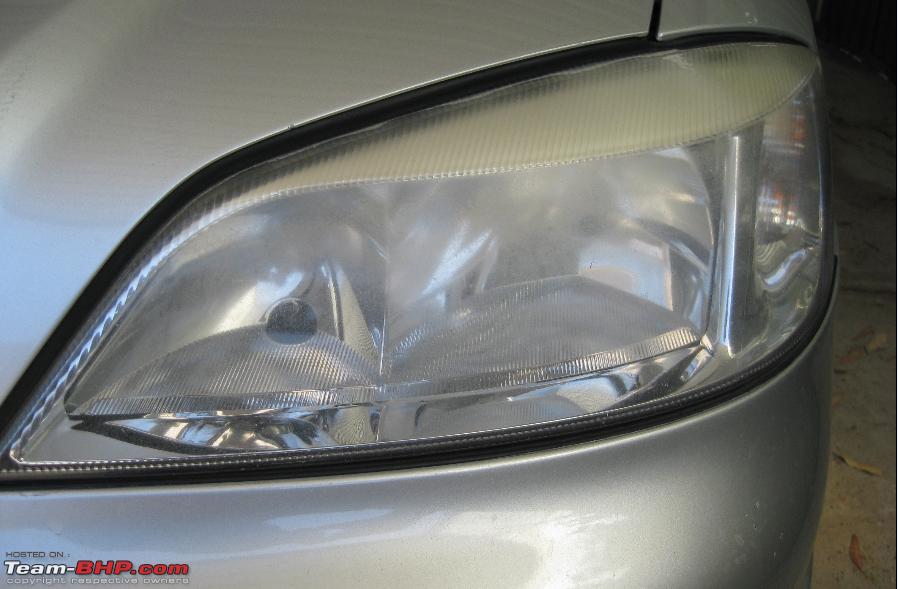
Headlight restoration refers to the process of cleaning, polishing, and sometimes sealing the plastic lenses of vehicle headlights to restore clarity and brightness. Over time, headlights become cloudy or yellowed due to exposure to UV rays, road debris, and environmental contaminants. This deterioration scatters light instead of focusing it, reducing visibility for the driver. Restoration methods vary from professional services to at-home kits, each with different levels of effectiveness and cost. In 2024, advancements in restoration products have made it easier for car owners to achieve professional-level results without breaking the bank.
Key Features & Highlights
- Cost Range: Professional restoration services typically cost between $75 and $200 in 2024, while DIY kits range from $15 to $50. The price depends on the method, product quality, and whether additional supplies like sealants are included.
- Duration of Results: A well-done restoration can last anywhere from six months to two years. Factors like climate, cleaning frequency, and the use of protective sealants play a significant role in longevity.
- Types of Restoration Methods: Common options include wet sanding with polishing compounds, UV-cured coatings, and protective sealant applications. Some methods require multiple steps, while others offer quick fixes for minor cloudiness.
- Materials Used: Most kits include abrasive pads, polishing compounds, microfiber cloths, and sometimes UV protectants. Professional services may use specialized equipment like orbital polishers and high-grade sealants for enhanced durability.
- Compatibility: Restoration kits are generally designed for polycarbonate headlight lenses, which are standard in most modern vehicles. Older glass lenses do not require restoration but may need cleaning or replacement if damaged.
Frequently Asked Questions / Pros & Cons
What is the average cost of professional headlight restoration in 2024?
Professional services in 2024 generally charge between $75 and $200, depending on the service provider and geographic location. Dealerships and auto body shops often charge more than independent detailers or mobile service providers. Some locations may offer discounts or package deals for multiple vehicles.
Is DIY headlight restoration worth the effort?
For minor cloudiness, DIY kits provide a cost-effective solution that can deliver results comparable to professional services. However, improper techniques or low-quality products may worsen the condition of the lenses. It is essential to follow instructions carefully and use products specifically designed for automotive headlights.
How long does a restored headlight last?
The longevity of a restored headlight depends on several factors, including exposure to sunlight, cleaning habits, and environmental conditions. On average, a well-restored headlight can remain clear for 6 to 24 months. Applying a UV protectant or sealant after restoration can significantly extend the clarity period.
Can all headlight lenses be restored?
Most modern headlight lenses made of polycarbonate can be restored if they are only cloudy or yellowed. However, if the lenses are cracked, deeply pitted, or have significant structural damage, restoration may not be effective, and replacement is recommended. Always inspect the lenses thoroughly before attempting restoration.
What are the pros and cons of using headlight restoration kits?
Pros:
- Affordability compared to professional services.
- Convenience of performing the restoration at home on your own schedule.
- Availability of a wide range of products to suit different levels of cloudiness and budgets.
- Opportunity to maintain headlight clarity between professional services.
Cons:
- Potential for uneven results if the process is not performed correctly.
- Risk of damaging the lenses with abrasive compounds if used improperly.
- Need to reapply sealants periodically to maintain clarity.
- Limited effectiveness for severely damaged or deeply yellowed lenses.
Practical Guidance & Solutions
Choosing the right restoration method depends on your budget, time availability, and the current condition of your headlights. For drivers seeking a quick and affordable solution, a DIY kit is a practical choice. Start by thoroughly cleaning the lenses with soap and water to remove dirt and grime. Next, use progressively finer sandpaper or abrasive pads to remove the top layer of oxidized plastic. Follow up with a high-quality polishing compound to restore clarity, and finish with a UV protectant or sealant to prevent future yellowing.
If your headlights are severely damaged, consider a two-step process. First, wet sand the lenses with 1000 to 2000 grit sandpaper to smooth out deep scratches or cloudiness. Then, apply a polishing compound using a dual-action polisher for even results. Always work in a shaded area to avoid premature drying of the products. For those who prefer professional results without the DIY effort, mobile restoration services or local detailers offer convenient and reliable options. Be sure to compare prices and read customer reviews to select a reputable provider.
Regardless of the method chosen, regular maintenance is key to preserving headlight clarity. Wash your vehicle frequently to remove contaminants, and apply a fresh coat of UV protectant every few months. Parking in shaded areas or using a car cover can also minimize exposure to harmful UV rays. By taking these steps, you can extend the life of your restored headlights and ensure optimal visibility on the road.
Conclusion
Headlight restoration in 2024 offers a practical and budget-friendly way to enhance vehicle safety and appearance without the expense of replacements. Whether you opt for a DIY kit or professional services, the key to success lies in choosing the right method for your specific needs and following best practices for application and maintenance. With the right approach, restored headlights can provide years of improved visibility and peace of mind. As you navigate your options, remember that even small investments in headlight care can yield significant long-term benefits, keeping you and others safe on the road.