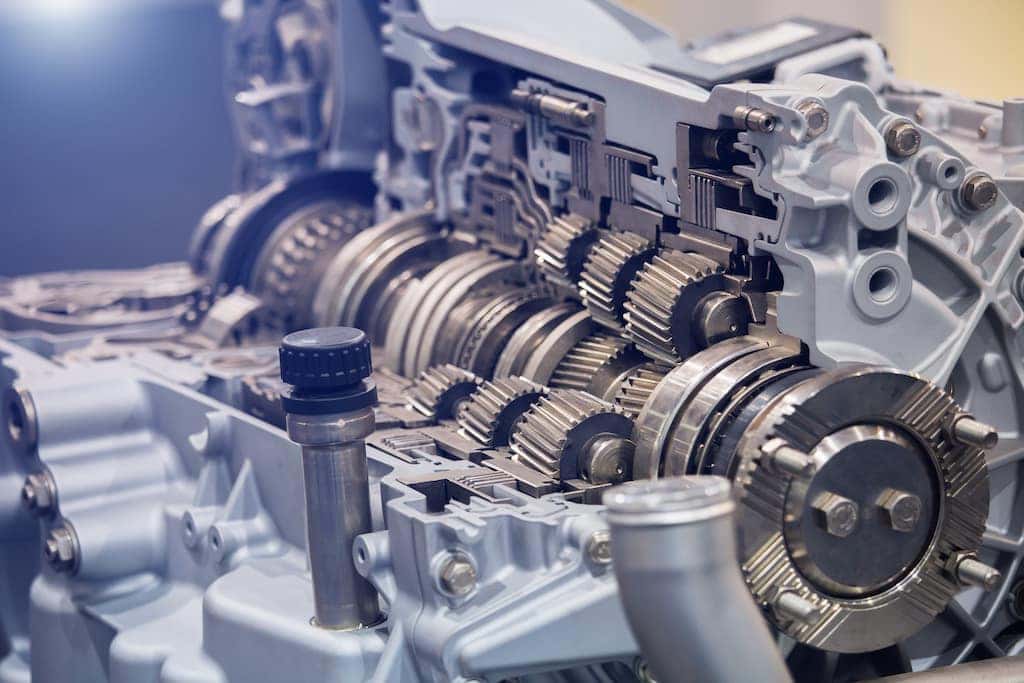
Welcome to our comprehensive guide on affordable transmission service. Whether you’re a seasoned car owner or new behind the wheel, understanding transmission maintenance is crucial for keeping your vehicle running smoothly without overspending. In this article, we’ll explore the costs involved, essential tips for saving money, and what to expect when you visit a repair shop.
Introduction & Background
Transmission service is one of the most important yet often overlooked aspects of vehicle maintenance. The transmission is responsible for transferring power from the engine to the wheels, allowing your car to change gears and move efficiently. Over time, transmission fluid breaks down, leading to poor performance, overheating, and even costly repairs if neglected.
Given today’s rising car repair costs, finding an affordable transmission service is a priority for many drivers. Whether you drive an older model or a newer vehicle, understanding your options can help you avoid financial stress while ensuring your transmission stays in top shape. This guide covers everything from basic maintenance to signs that indicate a serious problem, helping you make informed decisions.
Concept & Overview
At its core, an affordable transmission service involves routine maintenance tasks designed to keep your transmission operating smoothly without the high price tag of major repairs. This typically includes changing old transmission fluid, inspecting the system for leaks or wear, and checking for any signs of damage.
Unlike repairs that fix a broken part, transmission service is preventive care. It helps extend the life of your transmission by removing contaminants and ensuring proper lubrication. Regular service can prevent common issues like rough shifting, slipping gears, and overheating, all of which can lead to expensive repairs if ignored.
Key Features & Highlights
- Transmission Fluid Change: Old fluid is drained and replaced with fresh, high-quality fluid to maintain smooth operation.
- Filter Replacement: A clogged filter restricts flow and can cause damage, so replacing it during service is essential.
- Leak Inspection: Technicians check for leaks in seals, gaskets, and lines that could lead to fluid loss and overheating.
- System Flush: A deeper clean removes all old fluid and debris, improving transmission performance and longevity.
- Cost Transparency: Reputable shops provide upfront pricing and avoid hidden fees, helping you stay within budget.
- Warranty Protection: Many service centers offer warranties on parts and labor, giving you peace of mind after service.
Frequently Asked Questions / Pros & Cons
How often should I service my transmission?
Most manufacturers recommend servicing every 30,000 to 60,000 miles, but this varies by vehicle type and driving conditions. Check your owner’s manual for specific intervals.
What’s the difference between a fluid change and a fluid flush?
A fluid change drains and refills the system, replacing about 30 to 50 percent of the old fluid. A flush uses special equipment to remove all old fluid and contaminants, resulting in a cleaner system.
Is it safe to use aftermarket transmission fluid?
Yes, aftermarket fluids that meet or exceed OEM specifications can be safe and cost-effective. Always verify compatibility with your vehicle before purchasing.
Can I do transmission service myself?
While DIY is possible for basic fluid changes, many drivers lack the tools or experience to perform a proper flush or leak inspection. Professional service ensures thorough cleaning and accurate diagnosis.
What are the signs of low transmission fluid?
Common signs include delayed shifting, grinding noises, slipping gears, and a burning smell from the transmission. If you notice these symptoms, have your fluid level checked immediately.
Pros and Cons of Transmission Service
Pros:
- Extends transmission life and prevents major failures.
- Improves fuel efficiency and shifting smoothness.
- Often cheaper than emergency repairs.
- Increases resale value of your vehicle.
Cons:
- Regular service adds up over time, though less than repairs.
- Some shops overcharge for unnecessary add-ons.
- Improper service can void warranties if not done by certified professionals.
- Not all vehicles require the same service frequency.
Practical Guidance & Solutions
Start by checking your vehicle’s manual for the recommended service interval. If you drive in harsh conditions like towing, stop-and-go traffic, or extreme temperatures, you may need service more frequently.
Compare quotes from multiple repair shops. Not all places charge the same, and some may offer discounts or promotions. Ask if they use OEM-approved fluids and tools.
Before committing, ask for an estimate and clarify what’s included. A full service should cover fluid replacement, filter change, leak check, and a test drive. Avoid shops that push unnecessary repairs without clear evidence.
If you’re on a tight budget, consider a partial fluid change instead of a full flush. While not as thorough, it’s better than no service at all and can reduce immediate costs.
Finally, maintain a service log. Recording dates and mileage helps you track when your next service is due and provides proof of maintenance for resale or warranty purposes.
Conclusion
Maintaining an affordable transmission service doesn’t have to be complicated or expensive. By understanding your vehicle’s needs, choosing a reputable service provider, and staying proactive with routine care, you can avoid costly breakdowns and keep your car running reliably for years.
Regular transmission service is a smart investment in your vehicle’s health. Whether you opt for a basic fluid change or a full system flush, taking action now will save you time, money, and stress down the road. Don’t wait for warning signs to appear. Schedule your transmission service today and drive with confidence.