Have you ever caught a faint smell of burning oil while driving and quietly hoped it would just go away on its own?
That smell has a way of sticking around, and more often than not, it is your engine’s way of flagging something that genuinely deserves attention. The valve cover gasket is one of those components that sits out of plain sight but carries a real responsibility inside your engine every single day.
The reassuring part is that a failing valve cover gasket gives you clear, readable signals before the situation develops further. Knowing what to expect and understanding the fix makes the whole experience far less daunting than it might initially seem.
What Valve Cover Gaskets Actually Do
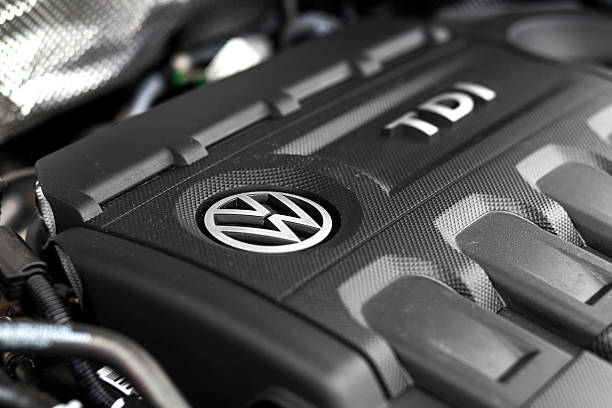
The valve cover is the uppermost cover on the engine, sitting directly over the cylinder head where the camshafts, valves, and rocker arms operate. The gasket is the seal that runs along the mating surface between the valve cover and the cylinder head beneath it.
Its job is to create a firm, oil-tight boundary that keeps engine oil contained within the upper engine and prevents it from escaping onto the hot surfaces below.
Sealing the Upper Engine
Every time your engine runs, oil is circulated through the upper cylinder head to lubricate the moving components there. Without a properly sealing gasket, that oil has an easy path to the outside of the engine.
The gasket compresses between the valve cover and the cylinder head, filling any microscopic gaps between the two surfaces. That compression is what creates the seal, and it depends entirely on the gasket material maintaining the right amount of flexibility and resilience over time.
Why the Material Matters
Valve cover gaskets are typically made from rubber compounds, cork composites, or a combination of both. Each material is chosen for its ability to maintain a reliable seal under the specific heat and pressure conditions of the upper engine environment.
Over time, heat causes the material to harden and shrink slightly. That gradual change in the material reduces the compression force at the sealing surface, which is where leaks begin.
What to Expect When a Valve Cover Gasket Fails
A failing gasket does not always announce itself loudly. The early signs are often subtle, and they tend to build gradually rather than appearing all at once.
Knowing what to look for puts you in a position to catch the problem early, which always leads to a cleaner and more straightforward repair.
Signs You Will Notice While Driving
- A persistent smell of burning oil, particularly after the engine has warmed up fully
- A slight increase in oil consumption that happens without any obvious external puddle forming underneath the vehicle
- A check engine light appearing alongside vacuum or emissions-related fault codes, which can occur if oil contacts sensor components
- Visible smoke rising from the engine bay, especially around the top of the engine, after a long drive
These symptoms are consistent and reliable indicators. When more than one appears at the same time, inspecting the volkswagen valve cover gaskets is the most productive first step in the diagnostic process.
Signs You Can See With Your Own Eyes
- A dark, oily residue is visible along the edge of the valve cover where it meets the cylinder head
- Oil buildup on the outside of the engine block, below the valve cover
- Oil pooling near the spark plug wells if the gasket has failed at those specific sealing points
- A hardened, cracked, or visibly compressed gasket when removed for inspection
Why Valve Cover Gaskets Wear Out
Wear in this component follows a predictable and well-understood pattern. The valve cover gasket operates in one of the hottest areas of the engine, and the material has to cope with that environment continuously throughout its service life.
Understanding the causes of wear helps you approach replacement with realistic expectations and plan your maintenance intervals accordingly.
The Primary Causes of Gasket Degradation
- Thermal cycling: Every time the engine heats up and cools down, the gasket material expands and contracts slightly. Over enough cycles, this breaks down the material’s elasticity and sealing ability.
- Oil exposure: Constant contact with engine oil gradually softens certain gasket materials while hardening others, depending on the compound used.
- Age and compression set: A gasket that has been compressed against the mating surface for a long period eventually takes on a permanent set. Once it loses the ability to spring back, the seal weakens.
- Overtightened fasteners: Valve cover bolts that have been tightened beyond specification during a previous repair can accelerate gasket wear by crushing the material unevenly.
How to Fix It Right
The repair process for a valve cover gasket is one of the more accessible jobs in upper engine maintenance. The valve cover itself is typically reachable without the need to remove surrounding components, and the replacement is a matter of fitting a correctly specified new gasket in place of the worn one.
Getting the repair right the first time comes down to two things: sourcing the correct gasket and completing the installation with the right process.
Choosing the Right Replacement Gasket
Not all gaskets are the same, and using one that does not match the original specification can lead to a seal that either leaks immediately or fails prematurely.
The gasket must match the profile, thickness, and material properties of the original for the seal to hold correctly under operating conditions.
A full selection of correctly specified replacement options organised by engine application can be found at https://klifex.com/membranes-pcv-egr-oil-separator/volkswagen-valve-cover-gaskets, making it straightforward to identify exactly the right part before beginning the repair.
Getting the Installation Right
A correct installation matters as much as the gasket itself. The mating surfaces on both the valve cover and the cylinder head need to be thoroughly cleaned before the new gasket is fitted. Any traces of the old gasket material or sealant left behind will prevent the new gasket from sealing properly.
Once the surfaces are clean and the new gasket is seated correctly in its channel, the valve cover bolts should be tightened to the manufacturer’s specified torque and in the correct sequence. This ensures even compression across the entire gasket surface, which is what creates a reliable, long-lasting seal.
Getting Your Engine Back to Proper Order
A valve cover gasket may seem like a minor component, but the seal it creates is essential to keeping your engine oil contained, your engine bay clean, and your driving experience free from the creeping effects of an unchecked leak.
Catching the signs early, sourcing a gasket that matches your engine’s exact specifications, and completing the installation with care and the correct torque settings are the three things that make this repair a complete and lasting success.