The Hidden Costs of Going Electric: More Than Just the Sticker Price
As the world shifts toward sustainable transportation, electric vehicles (EVs) have emerged as a popular choice for environmentally conscious drivers. However, while the upfront cost of an EV is often highlighted in advertisements and news headlines, the true financial burden of ownership extends far beyond the initial sticker price. From infrastructure upgrades to maintenance surprises, going electric comes with a range of hidden expenses that prospective buyers must consider. Understanding these costs is crucial for making an informed decision and avoiding unexpected financial strain.
1. Charging Infrastructure: A Home Upgrade
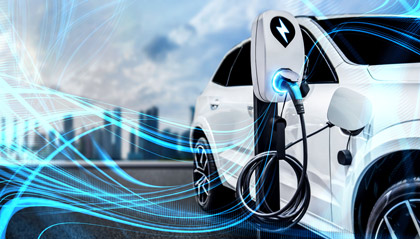
One of the most significant hidden costs of owning an EV is the need for a reliable and efficient charging setup. Unlike gas-powered vehicles, which can refuel at any gas station, EVs require either a home charging station or frequent access to public chargers. For many drivers, installing a Level 2 home charger is the most convenient option, but this comes with its own price tag.
- Equipment Costs: A high-quality Level 2 charger typically ranges from $500 to $2,500, depending on features like smart connectivity and power output.
- Installation Fees: Hiring an electrician to install the charger can add another $1,000 to $4,000, depending on the complexity of the electrical work required. Older homes may need panel upgrades to handle the increased load.
- Electrical Upgrades: If your home’s electrical system isn’t equipped to handle the additional demand, you may need to upgrade your panel or wiring, which can cost thousands more.
While some regions offer rebates or tax credits for EV charger installations, these incentives often don’t cover the full expense. Public charging stations, though widely expanding, also come with fees that can add up over time, especially for drivers without home charging access.
2. Higher Insurance Premiums
Insuring an electric vehicle can be significantly more expensive than insuring a traditional gasoline car. Several factors contribute to this increase:
- Higher Vehicle Value: EVs often have a higher purchase price, which means higher replacement costs in the event of an accident or theft.
- Specialized Repairs: The technology and battery components in EVs require specialized knowledge and parts, driving up repair costs. Not all mechanics are certified to work on EVs, limiting options and potentially increasing labor expenses.
- Battery Replacement: While EV batteries are designed to last for years, they are not immune to degradation or damage. Replacing a battery can cost anywhere from $5,000 to $20,000, depending on the vehicle model and warranty coverage.
Additionally, some insurers categorize EVs as higher-risk vehicles due to their acceleration capabilities or perceived repair complexity, further inflating premiums. Shopping around for insurance quotes and inquiring about EV-specific policies can help mitigate these costs, but they remain a substantial ongoing expense.
3. The Price of Battery Degradation
EV batteries are built to last, but they do degrade over time, reducing their capacity and range. While most manufacturers offer warranties that cover battery performance for 8 to 10 years or 100,000 to 150,000 miles, these warranties often have limitations. Once the warranty expires, battery replacement becomes a looming financial concern.
- Natural Degradation: Even with careful use, an EV battery may lose 2-3% of its capacity per year. Over a decade, this can result in a noticeable reduction in range, particularly for drivers who rely on their vehicles for long commutes.
- Warranty Limitations: Many warranties only cover a percentage of the battery’s original capacity, not full replacement. For example, Tesla’s warranty guarantees 70% battery retention after 8 years or 120,000 miles, but anything beyond that comes out of pocket.
- Environmental Factors: Extreme temperatures, frequent fast charging, and deep discharges can accelerate battery wear, potentially shortening its lifespan and increasing long-term costs.
While battery technology is improving, degradation remains an inevitable part of EV ownership. Drivers must factor in the potential cost of future battery replacements or upgrades when budgeting for their vehicle.
4. Maintenance and Wear-and-Tear Costs
While EVs are often marketed as having lower maintenance costs compared to internal combustion engine (ICE) vehicles, they are not maintenance-free. Some expenses may be lower, but others are unique to electric vehicles and can catch owners off guard.
- Tire and Brake Wear: EVs are heavier than their gas counterparts due to their batteries, which can lead to faster tire wear. Regenerative braking systems reduce brake pad wear, but they don’t eliminate the need for replacements entirely.
- Cooling System Maintenance: EVs rely on liquid cooling systems to manage battery and motor temperatures. These systems require periodic coolant flushes and checks, which can cost between $100 and $300 per service.
- Software and Firmware Updates: Many EVs receive regular software updates to improve performance and add features. While these updates are typically free, they may require dealership visits or downtime for installation.
- Specialized Service Centers: Not all auto repair shops are equipped to service EVs. Drivers may need to travel to authorized service centers, which can be fewer in number and more expensive than traditional mechanics.
Additionally, some EV components, such as inverters or electric motors, can fail unexpectedly and require costly repairs. While these issues are relatively rare, they underscore the importance of setting aside a maintenance fund when purchasing an EV.
5. Opportunity Costs and Lifestyle Changes
The financial impact of going electric isn’t limited to direct expenses—it also encompasses opportunity costs and lifestyle adjustments that can affect your bottom line.
- Longer Road Trips: While EV range and charging infrastructure have improved, long-distance travel still requires careful planning. Detours for charging stations can add hours to a trip and may not be feasible in rural or less-developed areas. This can impact productivity, leisure time, and even hotel costs for overnight stays near charging hubs.
- Vehicle Resale Value: The EV market is evolving rapidly, and resale values can be unpredictable. Some models depreciate faster than others, and the rapid pace of technological advancements may make older EVs less desirable over time.
- Home Energy Costs: Charging an EV at home will increase your electricity bill. While this cost is typically lower than spending on gasoline, it can still add up, especially during peak usage times or in regions with high electricity rates.
- Parking and Storage: Some apartment complexes, hotels, and public parking facilities charge extra for EV charging or may not offer it at all. Drivers may need to factor in additional fees for access to charging infrastructure.
These indirect costs can be difficult to quantify but are essential to consider when evaluating whether an EV is the right choice for your lifestyle and budget.
6. Regional and Policy-Dependent Costs
Government incentives and regional policies can significantly influence the true cost of owning an EV, but they also introduce variability and potential hidden expenses.
- Incentive Expiry: Many countries and states offer tax credits, rebates, or exemptions for EV purchases. However, these incentives are often temporary or subject to income caps. For example, the U.S. federal tax credit of up to $7,500 has income and price limitations that may not apply to all buyers. Once incentives phase out, the upfront cost of an EV becomes substantially higher.
- Registration Fees: Some regions impose additional registration fees for EVs to offset lost gas tax revenue. These fees can range from a few dollars to hundreds per year, depending on the location.
- Zoning and Permit Requirements: Installing a home charger may require permits or approvals from local authorities, adding administrative costs and potential delays.
- Utility Rate Structures: Time-of-use electricity rates can increase charging costs if you’re not charging during off-peak hours. Some utilities also impose demand charges for high-power charging, further driving up expenses.
Navigating these regional factors requires research and planning, as they can either reduce or inflate the overall cost of EV ownership depending on where you live.
Is an EV Worth the Hidden Costs?
Despite the hidden expenses, electric vehicles offer undeniable benefits, including lower fuel costs, reduced emissions, and a smoother driving experience. For many drivers, these advantages outweigh the financial drawbacks. However, it’s essential to approach EV ownership with a clear understanding of the total cost of ownership (TCO), not just the purchase price.
To make an informed decision:
- Calculate Your Driving Habits: Determine how much you currently spend on fuel and maintenance, and compare it to the projected costs of EV ownership, including charging infrastructure.
- Research Incentives: Check for available rebates, tax credits, and local programs that can offset some of the upfront costs.
- Plan for the Long Term: Consider the battery warranty, expected degradation, and potential replacement costs when budgeting for an EV.
- Explore Charging Options: Assess whether home charging is feasible, and identify nearby public charging stations if needed.
- Get Multiple Quotes: Compare insurance premiums, maintenance costs, and warranty coverage from different providers to find the most cost-effective solution.
Ultimately, the decision to go electric should align with your financial situation, lifestyle, and long-term goals. While the hidden costs of EV ownership are real, they are often outweighed by the savings and environmental benefits for those who plan carefully. By accounting for these expenses upfront, you can enjoy the ride—without the financial surprises.