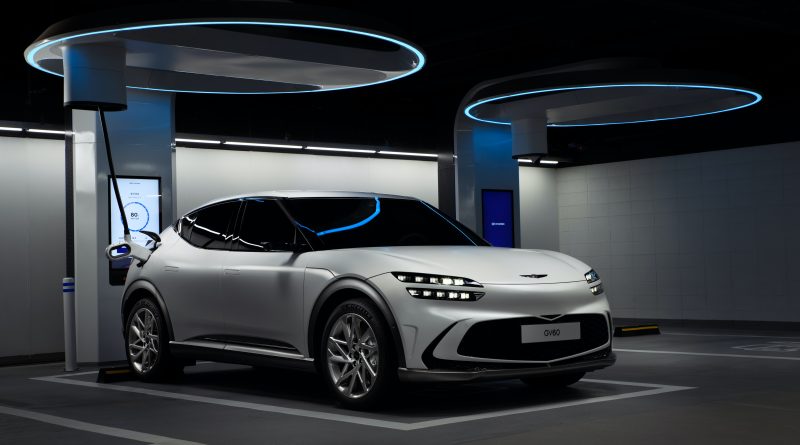
The Ultimate Electric Vehicle Guide for Modern Drivers
Electric vehicles (EVs) are no longer a futuristic concept—they are here, rapidly reshaping the automotive landscape and offering a cleaner, more efficient way to drive. Whether you’re a first-time buyer or considering an upgrade from a traditional gasoline car, navigating the world of EVs can feel overwhelming. From understanding charging options to evaluating range and cost savings, this comprehensive guide breaks down everything modern drivers need to know about electric vehicles. By the end, you’ll be equipped to make an informed decision and confidently embrace the electric revolution.
Why Choose an Electric Vehicle?
There are several compelling reasons to consider switching to an EV. First and foremost, electric vehicles produce zero tailpipe emissions, significantly reducing your carbon footprint compared to gasoline-powered cars. This is especially important as cities around the world tighten emissions regulations and consumers become more eco-conscious. Additionally, EVs offer lower operating costs—electricity is generally cheaper than gasoline, and maintenance requirements are minimal since there are fewer moving parts and no oil changes required. Many drivers also enjoy the smooth, quiet ride and instant torque delivery that EVs provide, making for a more responsive and enjoyable driving experience.
Another major advantage is the growing availability of charging infrastructure. While range anxiety was once a common concern, today’s EVs boast impressive ranges that cover the majority of daily driving needs, and fast-charging networks are expanding rapidly. With government incentives and tax credits in many countries, the upfront cost of an EV is becoming more competitive with traditional vehicles. In short, choosing an EV isn’t just an environmental statement—it’s a practical, cost-effective, and enjoyable choice for modern living.
Types of Electric Vehicles: Understanding Your Options
Electric vehicles come in several varieties, each designed to meet different driving needs and budgets. The most common type is the Battery Electric Vehicle (BEV), which runs entirely on electricity stored in a rechargeable battery. BEVs produce zero emissions and offer the longest electric-only range, making them ideal for those with access to charging at home or work. Popular examples include the Tesla Model 3, Nissan Leaf, and Ford Mustang Mach-E.
Plug-in Hybrid Electric Vehicles (PHEVs) combine a traditional internal combustion engine with an electric motor and a smaller battery. This dual powertrain allows drivers to travel short distances on electric power alone before switching to gasoline, offering flexibility without the need for frequent charging. PHEVs are a great option for those who want to dip their toes into electric driving while still having a backup fuel option. Examples include the Toyota RAV4 Prime, Ford Escape PHEV, and Chrysler Pacifica Hybrid.
Finally, Hybrid Electric Vehicles (HEVs) use an internal combustion engine alongside an electric motor and a small battery, but they cannot be plugged in to recharge. Instead, the battery is charged through regenerative braking and the engine. While HEVs don’t offer as much electric-only range as PHEVs or BEVs, they still provide improved fuel efficiency compared to conventional cars. Popular models include the Toyota Prius, Honda Insight, and Hyundai Ioniq Hybrid.
Key Factors to Consider Before Buying an EV
Before purchasing an electric vehicle, it’s important to evaluate several key factors to ensure it aligns with your lifestyle and driving habits. Start by assessing your daily commute and typical driving distances. Most modern EVs offer ranges between 200 and 400 miles on a full charge, which is more than sufficient for the average driver. However, if you frequently take long road trips, you’ll want to consider a model with fast-charging capabilities and access to a robust charging network.
Next, think about your charging options. Home charging is the most convenient and cost-effective way to power your EV, so check if you have a garage or dedicated parking space where you can install a Level 2 charger. If not, you’ll need to rely on public charging stations, which can be slower but are becoming increasingly available. Many workplaces and shopping centers now offer charging infrastructure, making it easier to top up during the day.
Cost is another critical consideration. While EVs often have a higher upfront price than comparable gasoline cars, long-term savings on fuel and maintenance can offset this difference. Be sure to research available incentives, such as federal tax credits, state rebates, and local utility discounts, which can significantly reduce the purchase price. Additionally, consider the total cost of ownership, including insurance, depreciation, and potential resale value.
Finally, think about the features and technology that matter most to you. Many EVs come equipped with cutting-edge infotainment systems, advanced driver-assistance features, and over-the-air software updates. If you value connectivity and innovation, look for models with large touchscreens, smartphone integration, and autonomous driving capabilities. Safety is also a priority, so check crash test ratings and the availability of advanced safety features like automatic emergency braking and lane-keeping assist.
Charging Your EV: What You Need to Know
One of the biggest concerns for EV owners is charging, but understanding the basics can make the process much simpler. There are three main levels of charging: Level 1, Level 2, and DC fast charging. Level 1 charging uses a standard household outlet and provides about 3 to 5 miles of range per hour of charging. It’s the slowest option but requires no additional equipment, making it suitable for plug-in hybrids or drivers with minimal daily driving needs.
Level 2 charging is significantly faster, delivering about 25 to 30 miles of range per hour. This is the most common type of home charging and requires a dedicated 240-volt circuit, similar to what’s used for a clothes dryer. Many EV owners install a Level 2 charger at home for overnight charging, ensuring their vehicle is fully charged by morning. Public Level 2 chargers are also widely available at shopping centers, workplaces, and parking lots.
For long-distance travel or quick top-ups, DC fast charging is the way to go. These chargers can replenish up to 80% of an EV’s battery in as little as 20 to 30 minutes, making them ideal for road trips. DC fast charging networks like Tesla Superchargers, Electrify America, and ChargePoint are rapidly expanding, with thousands of stations across the country. However, not all EVs are compatible with every fast-charging network, so be sure to check your vehicle’s charging capabilities before relying on public fast chargers.
To streamline your charging experience, consider using a charging app or in-car navigation system that locates nearby charging stations and provides real-time availability and pricing information. Some apps, like PlugShare or ChargeHub, also allow users to leave reviews and ratings for charging stations, helping you avoid out-of-order units or poorly maintained sites. With a little planning, charging an EV can be as easy as filling up a gas tank—just with the added convenience of charging at home.
Top Electric Vehicles to Consider in 2024
The EV market is more diverse than ever, with options ranging from affordable compact cars to luxury SUVs and high-performance sedans. Here are some of the top electric vehicles to consider in 2024:
- Tesla Model 3 – A bestseller known for its impressive range, cutting-edge technology, and strong performance. The Model 3 offers up to 358 miles of range and features Tesla’s Autopilot system.
- Ford Mustang Mach-E – A stylish and sporty SUV with up to 320 miles of range. The Mach-E combines performance with practicality, offering ample cargo space and advanced driver-assistance features.
- Chevrolet Bolt EV and EUV – Affordable and efficient, the Bolt EV and its larger EUV variant offer up to 259 miles of range and a starting price under $30,000. They’re great for budget-conscious buyers.
- Hyundai Ioniq 6 – A sleek and aerodynamic sedan with up to 361 miles of range. The Ioniq 6 is praised for its efficiency, comfort, and ultra-fast charging capabilities.
- Rivian R1T – A high-performance electric truck with off-road capabilities and up to 314 miles of range. The R1T is ideal for adventurers and those needing a rugged, versatile vehicle.
- Volkswagen ID.4 – A practical and family-friendly SUV with up to 275 miles of range. The ID.4 is known for its spacious interior, smooth ride, and strong safety ratings.
- Lucid Air – A luxury electric sedan with up to 516 miles of range, making it one of the longest-range EVs on the market. The Lucid Air offers premium features and a luxurious driving experience.
When choosing an EV, consider your priorities—whether it’s range, affordability, performance, or luxury—and compare models based on your specific needs. Test driving a few options can also help you determine which vehicle feels the most comfortable and enjoyable to drive.
Common Myths About Electric Vehicles Debunked
Despite the growing popularity of EVs, several myths persist that can deter potential buyers. Let’s debunk some of the most common misconceptions:
- Myth: EVs have insufficient range for daily use.
Reality: Most modern EVs offer ranges between 200 and 400 miles on a single charge, which is more than enough for the average daily commute. Even if you take longer trips, fast-charging networks make it easy to recharge quickly along the way.
- Myth: Charging an EV is inconvenient and time-consuming.
Reality: With home charging, you can plug in your vehicle overnight and wake up to a full “tank.” Public charging stations are also becoming more widespread, and fast-charging options can add significant range in just 20 to 30 minutes. For most drivers, charging is no more inconvenient than filling up a gas tank.
- Myth: Electric vehicles are too expensive.
Reality: While EVs often have a higher upfront cost, long-term savings on fuel, maintenance, and potential tax incentives can make them more affordable over time. Additionally, the used EV market is growing, offering more budget-friendly options for buyers.
- Myth: EVs are not suitable for cold climates.
Reality: Cold weather can reduce an EV’s range, but advancements in battery technology and climate control systems have minimized this impact. Many EVs now come with features like pre-conditioning, which warms the battery and cabin while the vehicle is still plugged in, improving efficiency in cold weather.
- Myth: There aren’t enough charging stations.
Reality: The charging infrastructure is expanding rapidly, with thousands of public charging stations available in the U.S. and even more in Europe and Asia. Government initiatives and private investment are accelerating the deployment of fast-charging networks, making it easier than ever to find a place to charge.
By debunking these myths, it’s clear that EVs are a practical and accessible choice for modern drivers. With continued advancements in technology and infrastructure, the transition to electric driving is becoming smoother and more appealing every year.
Future of Electric Vehicles: What’s Next?
The electric vehicle industry is evolving at a rapid pace, with innovations that promise to make EVs even more efficient, affordable, and accessible. One of the most exciting developments is the advancement of battery technology. Solid-state batteries, which promise higher energy density, faster charging times, and improved safety, are on the horizon and could revolutionize the EV market within the next few years. Companies like QuantumScape and Solid Power are leading the charge in this area, with potential mass production expected in the mid-to-late 2020s.
Another trend to watch is the expansion of electric vehicle options beyond cars. Electric trucks, vans, and even electric aircraft are in development, catering to a wider range of transportation needs. For example, Rivian and Ford are leading the charge in electric pickup trucks, while companies like Eviation are working on electric planes for short-haul flights. These innovations highlight the versatility of electric powertrains and their potential to transform multiple industries.
Government policies are also playing a crucial role in shaping the future of EVs. Many countries have set ambitious targets to phase out gasoline and diesel vehicles in the coming decades, with the European Union aiming for a 100% reduction in new internal combustion engine sales by 2035. In the U.S., the Inflation Reduction Act has introduced tax credits and incentives to encourage EV adoption, making electric vehicles more accessible to a broader audience. These policies are accelerating the shift toward electric mobility and encouraging automakers to invest in EV production.
Finally, the integration of renewable energy sources with electric vehicles is an exciting frontier. Vehicle-to-grid (V2G) technology allows EVs to not only draw power from the grid but also feed energy back into it, helping to stabilize the power supply and reduce strain on the electrical grid during peak demand. This technology could transform EVs into mobile energy storage units, further enhancing their value and sustainability.
As technology continues to advance and infrastructure improves, the future of electric vehicles looks brighter than ever. From longer ranges and faster charging to new vehicle categories and smarter energy solutions, the electric revolution is just getting started. For modern drivers, embracing an EV today means being part of a movement that’s driving us toward a cleaner, more sustainable future.
Final Thoughts: Is an EV Right for You?
Deciding whether to switch to an electric vehicle is a personal choice that depends on your driving habits, budget, and priorities. If you’re looking for a vehicle that’s cost-effective to operate, environmentally friendly, and packed with the latest technology, an EV could be the perfect fit. With a wide range of models available—from affordable commuters to high-end luxury cars—there’s an electric vehicle for nearly every lifestyle and budget.
Before making the leap, take the time to research your options, test drive a few models, and evaluate your charging setup. Consider the long-term savings on fuel and maintenance, as well as any available incentives that could reduce the purchase price. And don’t forget to think about the intangible benefits of driving an EV, such as the quiet, smooth ride and the satisfaction of knowing you’re contributing to a cleaner planet.
For many drivers, the transition to an electric vehicle is not just about transportation—it’s about embracing a new way of living that aligns with modern values of sustainability and innovation. Whether you’re ready to go fully electric or just exploring your options, the world of EVs offers endless possibilities for the future of driving. The road ahead is electric, and it’s time to join the journey.