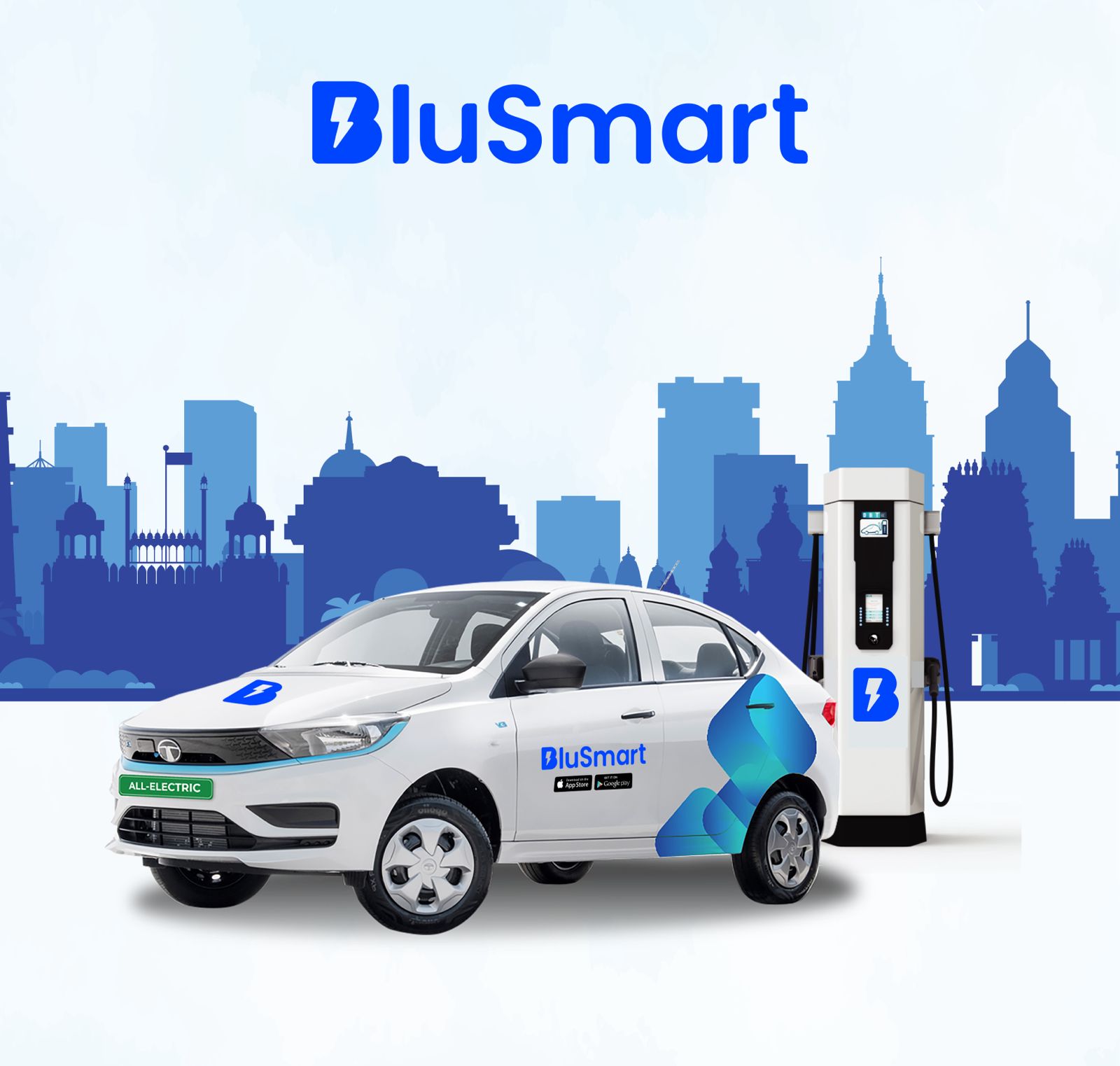
The Future is Electric: An Essential Guide to Owning and Driving EVs
Electric vehicles (EVs) are no longer a futuristic concept—they are the present and the future of transportation. With advancements in battery technology, increased charging infrastructure, and growing environmental awareness, more drivers are making the switch from traditional internal combustion engine (ICE) vehicles to electric cars. If you’re considering joining the EV revolution, this guide will walk you through everything you need to know about owning and driving an electric vehicle.
Why Choose an Electric Vehicle?
There are several compelling reasons to switch to an EV, beyond just being eco-friendly. Here are some of the key benefits:
- Environmental Impact: EVs produce zero tailpipe emissions, significantly reducing your carbon footprint compared to gasoline or diesel cars. Even when accounting for electricity generation, studies show that EVs typically have a lower overall environmental impact.
- Lower Operating Costs: Electricity is generally cheaper than gasoline or diesel, especially if you charge at home. Maintenance costs are also lower due to fewer moving parts in an EV compared to a traditional engine.
- Smooth and Quiet Driving: EVs offer instant torque, providing quick acceleration and a quieter, more refined driving experience. The absence of engine noise makes for a more peaceful ride.
- Government Incentives: Many governments around the world offer financial incentives, such as tax credits, rebates, or exemptions from congestion charges, to encourage EV adoption.
- Energy Independence: By charging at home or using renewable energy sources, you reduce reliance on fossil fuels and contribute to a more sustainable energy grid.
Understanding EV Types and Models
Not all electric vehicles are the same. There are several types of EVs, each with its own advantages and considerations:
- Battery Electric Vehicles (BEVs): Fully electric vehicles that run solely on batteries. Examples include the Tesla Model 3, Nissan Leaf, and Ford Mustang Mach-E. BEVs have the longest electric-only range but require charging infrastructure.
- Plug-in Hybrid Electric Vehicles (PHEVs): These vehicles combine an electric motor with a gasoline engine. They can run on electricity for short distances before switching to gas. Examples include the Toyota Prius Prime and Ford Escape PHEV. PHEVs offer flexibility but have a shorter electric-only range.
- Hybrid Electric Vehicles (HEVs): HEVs use both a gasoline engine and an electric motor but cannot be plugged in to charge. The electric motor assists the engine, improving fuel efficiency. Examples include the Toyota Camry Hybrid and Honda Accord Hybrid. HEVs are a good stepping stone toward full electrification.
- Fuel Cell Electric Vehicles (FCEVs): These vehicles use hydrogen fuel cells to generate electricity on the go. They offer fast refueling times and long ranges but have limited refueling infrastructure. Examples include the Toyota Mirai and Hyundai Nexo.
When choosing an EV, consider factors like your daily driving distance, access to charging stations, and budget. If you primarily drive short distances, a BEV might be ideal. If you frequently take long road trips, a PHEV or FCEV could offer more flexibility.
Charging Your EV: What You Need to Know
One of the biggest concerns for new EV owners is charging. Fortunately, charging an electric vehicle is simpler than you might think. Here’s a breakdown of the different charging options available:
Home Charging
Charging at home is the most convenient option for most EV owners. You can plug in your vehicle overnight and wake up to a full “tank.” There are two main types of home charging:
- Level 1 Charging: Uses a standard 120-volt household outlet. This is the slowest option, adding about 3-5 miles of range per hour. It’s best for overnight charging or for drivers with short commutes.
- Level 2 Charging: Requires a 240-volt outlet (similar to what large appliances use). This is faster, adding 25-30 miles of range per hour. Many EV owners install a dedicated Level 2 charger at home for convenience.
Before installing a home charger, check your electrical system’s capacity and consult an electrician to ensure safety and efficiency.
Public Charging
Public charging stations are becoming increasingly common, making it easier to charge on the go. There are three main types of public chargers:
- Level 2 Chargers: Found in shopping centers, parking lots, and along highways. These chargers provide 25-30 miles of range per hour and are ideal for longer stops.
- DC Fast Chargers (DCFC): Also known as Level 3 chargers, these can charge an EV to 80% in as little as 20-30 minutes. They are best for road trips or quick top-ups. Examples include Tesla Superchargers, Electrify America, and ChargePoint.
- Tesla Superchargers: Tesla’s proprietary fast-charging network offers some of the fastest charging speeds in the industry. While primarily for Tesla vehicles, some non-Tesla EVs can use these chargers with an adapter.
To find public charging stations, use apps like PlugShare, ChargeHub, or the built-in navigation systems in many EVs. Planning your route around charging stops is key, especially for long-distance travel.
Range Anxiety: Myth vs. Reality
One of the most common concerns about EVs is range anxiety—the fear of running out of battery power before reaching your destination. However, modern EVs have made significant strides in addressing this issue. Here’s what you need to know:
- Real-World Range: Most new EVs offer a range of 200-300 miles on a full charge, with some models exceeding 400 miles. This is more than enough for daily commutes and even most road trips.
- Efficient Driving: EVs are most efficient at lower speeds, so highway driving may slightly reduce range compared to city driving. Using features like regenerative braking can help extend your range by recapturing energy during deceleration.
- Charging Infrastructure Growth: The number of public charging stations is growing rapidly. According to the U.S. Department of Energy, there are over 130,000 public charging ports in the U.S. alone, with more being added every day.
- Trip Planning: For long road trips, plan your route around charging stops. Many EVs come with built-in navigation systems that optimize routes based on charging availability. Apps like ABRP (A Better Routeplanner) can also help you plan efficient charging stops.
While range anxiety was a valid concern a decade ago, today’s EVs are more than capable of handling daily driving and even long-distance travel with proper planning.
Cost Considerations: Upfront and Long-Term
Switching to an EV involves both upfront costs and long-term savings. Here’s a breakdown of what to expect:
Upfront Costs
The initial purchase price of an EV can be higher than that of a comparable gasoline car. However, prices are gradually decreasing as battery technology improves and economies of scale kick in. Some factors affecting upfront costs include:
- Battery Size: Larger batteries offer more range but also increase the price. Consider your daily driving needs to determine the right battery size.
- Model and Brand: Luxury brands like Tesla or Rivian tend to be more expensive, while mainstream brands like Nissan or Chevrolet offer more affordable options.
- Incentives and Rebates: Many governments offer financial incentives to reduce the upfront cost of an EV. For example, the U.S. federal tax credit can provide up to $7,500 for qualifying EVs, while some states offer additional rebates.
- Home Charger Installation: Installing a Level 2 home charger can cost between $500 and $2,000, depending on your electrical setup and local labor costs.
Long-Term Savings
While the upfront cost may be higher, EVs offer significant long-term savings:
- Fuel Savings: Electricity is cheaper than gasoline or diesel. The U.S. Department of Energy estimates that driving an EV costs about half as much per mile as driving a gasoline car.
- Maintenance Savings: EVs have fewer moving parts than ICE vehicles, which means less wear and tear. There’s no need for oil changes, spark plugs, or exhaust system repairs. Brake pads last longer due to regenerative braking, further reducing maintenance costs.
- Tax Incentives: Beyond the upfront tax credit, some states offer additional incentives like reduced registration fees or HOV lane access for EV owners.
- Resale Value: As EV adoption grows, the resale value of electric cars is becoming more competitive. Some models, like Teslas, hold their value exceptionally well.
When calculating the total cost of ownership, an EV often becomes the more economical choice over time, especially for high-mileage drivers.
Charging Etiquette and Best Practices
As more people switch to EVs, it’s important to practice good charging etiquette to ensure everyone has access to charging stations. Here are some tips to keep in mind:
- Don’t Hog the Charger: Once your EV is charged to 80%, move it to free up the spot for others. Most EVs take longer to charge from 80% to 100%, so this also saves time.
- Use Apps to Check Availability: Many public chargers have apps or websites that show real-time availability. Check before heading to a charging station to avoid unnecessary detours.
- Be Mindful of Others: If you’re charging at a busy location, limit your charging time to what’s necessary. Some EV owners may be in a hurry or have urgent needs.
- Keep the Area Clean: Treat charging stations with respect. Avoid leaving trash or clutter around the area.
- Share Charging Spots: If you’re at a charging station and notice another EV driver waiting, consider offering to share the spot if your vehicle is charged.
By following these simple guidelines, you can help create a positive experience for all EV owners and encourage the growth of charging infrastructure.
Driving and Maintaining Your EV
Driving an EV is a unique experience, and proper maintenance ensures your vehicle stays in top condition. Here’s what you need to know:
Driving Tips
- Regenerative Braking: Take advantage of regenerative braking, which slows the vehicle and recaptures energy to extend your range. Practice smooth acceleration and braking to maximize efficiency.
- Preconditioning: Use your EV’s preconditioning feature to heat or cool the battery and cabin while it’s still plugged in. This improves efficiency and ensures a comfortable cabin temperature when you start driving.
- Tire Pressure: Keep your tires properly inflated to reduce rolling resistance and improve range. Check tire pressure regularly, as EVs can be sensitive to changes in pressure.
- Weight Management: Avoid carrying unnecessary weight in your vehicle, as it can reduce range. Remove roof racks or cargo boxes when not in use.
Maintenance
EVs require less maintenance than traditional cars, but they still need regular care:
- Battery Care: Modern EV batteries are designed to last the lifetime of the vehicle, but proper care can extend their lifespan. Avoid extreme temperatures, both hot and cold, as they can affect battery performance. If you live in a cold climate, consider parking in a garage or using a battery warmer.
- Tire Rotation and Alignment: Even though EVs have fewer moving parts, tires still wear out and need rotation every 5,000-7,500 miles to ensure even tread wear.
- Brake Inspection: Thanks to regenerative braking, brake pads last longer, but they should still be inspected periodically to ensure they’re in good condition.
- Software Updates: Many EVs receive over-the-air software updates that improve performance, add new features, or fix bugs. Keep your vehicle’s software up to date for the best experience.
By following these maintenance tips, you can keep your EV running smoothly and efficiently for years to come.
Overcoming Common EV Myths
Despite the growing popularity of EVs, several myths persist. Let’s debunk some of the most common ones:
- Myth: EVs Have No Range: Modern EVs offer ranges comparable to gasoline cars. Most new models provide 200-300 miles on a full charge, with some exceeding 400 miles.
- Myth: Charging Takes Too Long: While Level 1 charging is slow, Level 2 and DC fast charging can replenish most of your battery in under an hour. With proper planning, charging is convenient and efficient.
- Myth: EVs Are Too Expensive: While the upfront cost may be higher, long-term savings on fuel and maintenance often offset the initial price. Plus, incentives and rebates can significantly reduce the cost.
- Myth: There Aren’t Enough Charging Stations: The number of public charging stations is growing rapidly. Many EVs come with apps that help you locate charging stations, and road trip planning tools make it easy to find charging stops.
- Myth: EVs Are Only for Short Trips: With advancements in battery technology and charging infrastructure, EVs are increasingly capable of handling long-distance travel. Many drivers successfully complete road trips in their EVs with minimal planning.
As technology continues to improve, many of these myths are becoming outdated. EVs are a viable and practical choice for drivers of all types.
The Road Ahead: The Future of EVs
The electric vehicle industry is evolving at a rapid pace, with innovations that promise to make EVs even more accessible, efficient, and sustainable. Here’s what the future holds:
- Battery Improvements: Solid-state batteries, which offer higher energy density and faster charging, are on the horizon. These advancements could significantly extend EV range and reduce charging times.
- Charging Infrastructure Expansion: Governments and private companies are investing heavily in charging infrastructure. Expect to see more fast-charging stations along highways and in urban areas, as well as wireless charging technology for seamless charging.
- Affordable Models: Automakers are working to bring more affordable EVs to market, making electric vehicles accessible to a broader audience. Models like the Tesla Model 2 and Chevrolet Bolt EUV are steps in this direction.
- Sustainable Materials: The push for sustainability is leading to the use of recycled and eco-friendly materials in EV manufacturing. Companies are also exploring ways to reduce the environmental impact of battery production.
- Autonomous Driving: Many EVs are equipped with advanced driver-assistance systems (ADAS), and fully autonomous driving is on the horizon. This technology could further enhance the appeal of electric vehicles.
As these advancements take shape, the transition to electric vehicles will only accelerate, paving the way for a cleaner, more sustainable future.
Final Thoughts: Is an EV Right for You?
Switching to an electric vehicle is a big decision, but for many drivers, it’s a rewarding one. EVs offer environmental benefits, lower operating costs, and a smooth, quiet driving experience. However, they may not be the right choice for everyone. Consider your daily driving needs, access to charging infrastructure, and budget before making the leap.
If you’re ready to embrace the future of driving, an EV could be the perfect choice. With the right planning and mindset, you’ll join millions of drivers who are already enjoying the benefits of electric mobility. The road ahead is electric—are you ready to drive it?