Understanding the Heart of Your Vehicle: The Transmission
Your car’s transmission is more than just a component—it’s the unsung hero that ensures your rides are smooth, efficient, and responsive. Whether you drive an automatic or manual vehicle, the transmission plays a pivotal role in transferring power from the engine to the wheels. Without proper care, even the most advanced transmission can develop issues, leading to costly repairs and frustrating driving experiences. Understanding how your transmission works and the importance of regular maintenance is the first step toward unlocking countless miles of trouble-free driving.
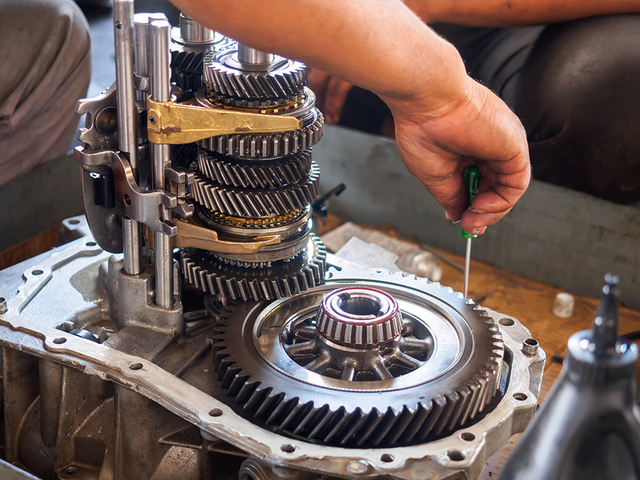
The transmission system is complex, consisting of gears, clutches, bands, and fluid that work in harmony to manage speed and torque. In an automatic transmission, the system uses hydraulic pressure and planetary gears to shift gears seamlessly. Manual transmissions, on the other hand, rely on the driver to manually engage gears using a clutch pedal. Regardless of the type, the transmission fluid acts as the lifeblood, lubricating moving parts, cooling the system, and preventing excessive wear. Over time, this fluid degrades, contaminants accumulate, and components wear down, making routine service essential.
Why Transmission Service is Non-Negotiable
Skipping transmission service might save you money in the short term, but it’s a gamble that can backfire spectacularly. Here’s why prioritizing transmission maintenance is a smart—and necessary—move:
- Prevents Costly Repairs: Transmission failures often result in hefty repair bills, sometimes totaling thousands of dollars. Regular service helps identify minor issues before they escalate into major problems.
- Extends Transmission Lifespan: Just like any other mechanical system, a well-maintained transmission lasts longer. Routine fluid changes and inspections reduce strain on internal components, preserving their integrity.
- Improves Fuel Efficiency: A clean, efficiently running transmission ensures your engine operates at peak performance, which can translate to better fuel economy.
- Enhances Driving Comfort: A poorly maintained transmission can cause rough shifting, slipping gears, or delayed acceleration—issues that make driving stressful and unpleasant.
- Boosts Resale Value: If you plan to sell or trade in your vehicle, a documented history of transmission service can significantly increase its market value.
The key takeaway? Transmission service isn’t an optional luxury—it’s a fundamental aspect of vehicle ownership that pays off in reliability, performance, and peace of mind.
Signs Your Transmission Needs Immediate Attention
Your transmission often gives clear warnings before it fails catastrophically. Recognizing these signs early can save you from being stranded or facing a complete breakdown. Here’s what to watch for:
- Unusual Noises: Grinding, whining, or clunking sounds, especially when shifting gears, indicate worn-out components or low fluid levels.
- Slipping Gears: If your car unexpectedly shifts gears without input, or if the RPMs spike without acceleration, it’s a red flag that the transmission isn’t engaging properly.
- Delayed Response: A noticeable lag between shifting gears and the car’s response suggests transmission fluid issues or internal wear.
- Leaking Fluid: Transmission fluid leaks are often red or brown and have a sweet smell. If you spot puddles under your car, have it checked immediately.
- Burning Smell: A burnt odor coming from under the hood signals overheating, usually due to degraded or low fluid levels.
- Warning Lights: Modern vehicles often have a “Check Engine” or “Transmission” warning light. Don’t ignore these alerts—get a diagnostic scan as soon as possible.
If you experience any of these symptoms, don’t wait for the problem to worsen. Schedule a transmission inspection with a trusted mechanic to diagnose and address the issue before it worsens.
The Transmission Service Checklist: What to Expect
Not all transmission services are created equal. A comprehensive service should cover more than just a fluid change—it should involve a thorough inspection and preventive measures to keep your transmission in top shape. Here’s what a quality transmission service typically includes:
1. Fluid Inspection and Replacement
The most critical part of transmission service is the fluid. Over time, transmission fluid breaks down, loses its lubricating properties, and becomes contaminated with metal shavings, dirt, and debris. During service:
- A mechanic will drain the old fluid completely, including any fluid trapped in the torque converter and cooler lines.
- The system may be flushed to remove all remnants of old fluid, ensuring a clean start with fresh fluid.
- New transmission fluid, matching your vehicle’s specifications, is added in the correct amount.
- The fluid type and condition are inspected for signs of overheating or contamination.
2. Filter Replacement
Most transmissions have a filter that traps debris and prevents it from circulating through the system. A clogged filter restricts fluid flow, leading to poor performance and overheating. During service:
- The old filter is removed and replaced with a new one to ensure optimal filtration.
- Some high-performance or heavy-duty vehicles may require a specialized filter upgrade.
3. Pan Gasket Inspection and Replacement
The pan gasket seals the transmission pan to the transmission case, preventing leaks. Over time, this gasket can harden, crack, or become dislodged, leading to fluid leaks. During service:
- The pan is removed, and the gasket is inspected for damage or wear.
- If the gasket is compromised, it’s replaced to prevent future leaks.
4. Torque Converter Service
The torque converter is a critical component that transfers power from the engine to the transmission. It contains fluid that can degrade over time. During service:
- The torque converter may be flushed or have its fluid replaced to maintain smooth operation.
5. Transmission Cooler Inspection
Transmission coolers prevent overheating by dissipating heat from the fluid. A clogged or damaged cooler can lead to transmission failure. During service:
- The cooler and its lines are inspected for leaks, blockages, or corrosion.
- If necessary, the cooler is cleaned or replaced.
6. Road Test and Final Inspection
After service, a mechanic will perform a road test to ensure the transmission shifts smoothly and there are no unusual noises or delays. They’ll also:
- Check for leaks under the vehicle.
- Verify that all components are functioning correctly.
- Reset any transmission-related warning lights if applicable.
DIY vs. Professional Transmission Service: Pros and Cons
When it comes to transmission service, car owners often wonder whether they can tackle the job themselves or if they should leave it to the professionals. Both approaches have their merits, but the best choice depends on your skill level, tools, and the specific needs of your vehicle.
DIY Transmission Service: When It Makes Sense
For those with mechanical experience and the right tools, a DIY approach can be cost-effective and rewarding. Here’s when it might work for you:
- Simple Fluid and Filter Change: If your vehicle has a drain plug and an accessible filter, you can drain the old fluid, replace the filter, and refill with new fluid. This is the most straightforward DIY transmission service.
- Access to Tools and Resources: You’ll need a jack, jack stands, a drain pan, a torque wrench, and the correct fluid and filter for your vehicle. Having these tools on hand makes the job easier.
- Time and Patience: Transmission service isn’t a quick task—it can take a few hours, especially if you’re unfamiliar with the process. Be prepared to spend time learning and troubleshooting.
However, DIY transmission service isn’t without risks. A mistake—such as using the wrong fluid type or overtightening a bolt—can lead to serious damage. Additionally, some vehicles, particularly newer models with sealed transmissions or complex cooling systems, aren’t suitable for DIY service.
Professional Transmission Service: The Smart Investment
For most drivers, professional transmission service is the safer and more reliable option. Here’s why:
- Expertise and Experience: Professional mechanics have seen it all. They can diagnose subtle issues, identify potential problems before they escalate, and ensure the service is done correctly the first time.
- Specialized Equipment: Some transmissions require specialized tools for proper servicing, such as transmission flushing machines or torque converters that need professional-grade equipment to service properly.
- Warranty Protection: Many transmission service centers offer warranties on their work. If something goes wrong after service, you’re covered. DIY work doesn’t come with this protection.
- Convenience and Peace of Mind: Dropping off your car for service saves you time and effort. You won’t have to deal with messy fluids, tight spaces, or the stress of making a mistake.
In the end, the choice between DIY and professional service depends on your confidence, budget, and the specific needs of your vehicle. For most drivers, especially those with modern or high-performance cars, professional service is the best way to go.
Choosing the Right Transmission Fluid: A Buyer’s Guide
Not all transmission fluids are created equal. Using the wrong type can lead to poor performance, increased wear, and even transmission failure. Here’s what you need to know to choose the right fluid for your vehicle:
1. Check Your Owner’s Manual
The first and most important step is to consult your vehicle’s owner’s manual. Manufacturers specify the exact type of transmission fluid required for optimal performance. Common types include:
- Dexron/Mercon: A popular type for older GM and Ford vehicles.
- ATF+4: Used in many Chrysler, Dodge, and Jeep vehicles.
- CVT Fluid: Designed for continuously variable transmissions (CVTs), found in many modern cars like Nissan and Honda.
- Type F: A less common fluid used in older Ford vehicles and some European cars.
2. Consider the Vehicle’s Age and Usage
The age of your vehicle and how you use it can influence the type of fluid you need. For example:
- High Mileage Vehicles: If your car has over 100,000 miles, consider a high-mileage transmission fluid. These fluids contain additives to condition seals and reduce leaks.
- Severe Driving Conditions: If you frequently tow heavy loads, drive in stop-and-go traffic, or operate in extreme temperatures, you may need a premium or synthetic transmission fluid for added protection.
3. Synthetic vs. Conventional Fluid
Synthetic transmission fluids offer superior performance in extreme temperatures, better oxidation resistance, and longer service intervals compared to conventional fluids. However, they’re also more expensive. Consider synthetic fluid if:
- You live in an area with extreme hot or cold climates.
- You frequently tow heavy loads or drive aggressively.
- Your vehicle manufacturer recommends synthetic fluid.
Conventional fluids are more affordable and suitable for everyday driving in moderate conditions. They’re a practical choice if you’re on a budget or your vehicle doesn’t require synthetic fluid.
4. Avoid Cheap or Generic Fluids
While it might be tempting to save money with an off-brand or generic transmission fluid, it’s not worth the risk. Poor-quality fluids can lead to poor shifting, increased wear, and even transmission failure. Stick to fluids that meet or exceed your vehicle manufacturer’s specifications.
Transmission Service Intervals: How Often Should You Service?
One of the most common questions about transmission service is: “How often should I have it done?” The answer depends on several factors, including your vehicle’s make and model, driving habits, and the type of transmission fluid used. Here’s a general guideline to help you stay on track:
Automatic Transmission Service Intervals
For most automatic transmissions, the recommended service interval is every 60,000 to 100,000 miles. However, this can vary:
- Severe Driving Conditions: If you frequently drive in stop-and-go traffic, tow heavy loads, or operate in extreme temperatures, you may need to service your transmission every 30,000 to 50,000 miles.
- Normal Driving Conditions: For everyday driving with moderate conditions, the standard 60,000 to 100,000-mile interval is usually sufficient.
- Synthetic Fluid: If you use synthetic transmission fluid, you may be able to extend the service interval to 100,000 miles or more, depending on the manufacturer’s recommendations.
Manual Transmission Service Intervals
Manual transmissions typically require less frequent service than automatics, but they still need attention:
- Gear Oil Change: Manual transmissions use gear oil instead of automatic transmission fluid. It’s recommended to change the gear oil every 30,000 to 60,000 miles, or as specified in your owner’s manual.
- Clutch Service: The clutch system may need adjustment or replacement every 50,000 to 100,000 miles, depending on driving habits.
High-Performance and Heavy-Duty Vehicles
Vehicles designed for high performance or heavy-duty use, such as trucks, SUVs, or performance cars, often have more demanding service requirements:
- Frequent Fluid Changes: These vehicles may need transmission service every 30,000 miles or less, especially if they’re used for towing or performance driving.
- Specialized Fluids: High-performance transmissions may require specialized fluids designed for extreme conditions.
Listen to Your Vehicle
While guidelines are helpful, always listen to your vehicle. If you notice any of the warning signs mentioned earlier—such as slipping gears, unusual noises, or delayed shifting—don’t wait for the recommended interval. Address the issue promptly to avoid further damage.
Myths and Misconceptions About Transmission Service
When it comes to transmission service, misinformation can lead to costly mistakes. Let’s debunk some of the most common myths and set the record straight:
Myth 1: “You Only Need to Change Transmission Fluid When There’s a Problem”
This is one of the most dangerous myths. Waiting until you experience shifting issues or noises often means the damage is already done. Transmission fluid degrades over time, losing its ability to lubricate and cool the system. By the time you notice a problem, internal components may already be worn or damaged. Regular fluid changes are preventive maintenance, not reactive repairs.
Myth 2: “All Transmission Fluids Are the Same”
Not true! Transmission fluids are formulated differently to meet the specific needs of various transmissions. Using the wrong fluid can cause shifting issues, increased wear, and even transmission failure. Always use the type of fluid recommended by your vehicle’s manufacturer.
Myth 3: “Transmission Service is Too Expensive”
While transmission service isn’t cheap, it’s far less expensive than a complete transmission rebuild or replacement. A typical fluid and filter change costs between $100 and $300, depending on the vehicle and service center. In contrast, a transmission rebuild can run anywhere from $1,500 to $4,000, and a full replacement can exceed $5,000. Investing in routine service is a smart way to avoid these astronomical costs.
Myth 4: “You Can Extend Transmission Service Intervals by Adding Additives”
Some drivers believe that adding aftermarket additives to their transmission fluid can extend the service interval or improve performance. While certain additives may offer temporary benefits, they’re not a substitute for fresh fluid. In fact, some additives can do more harm than good by clogging filters or damaging seals. Stick to manufacturer-recommended fluids and service intervals.
Myth 5: “Manual Transmissions Don’t Need Fluid Changes”
This myth is particularly persistent. Manual transmissions rely on gear oil to lubricate their internal components, and this oil degrades over time. Failing to change the gear oil can lead to increased wear, difficulty shifting, and even transmission failure. Follow the manufacturer’s recommended service intervals for your manual transmission.
Step-by-Step Guide to a Successful Transmission Service
If you’ve decided to tackle transmission service yourself, following a step-by-step guide can help ensure the job is done correctly. Here’s a general overview of the process for a typical automatic transmission fluid and filter change:
Step 1: Gather Your Tools and Materials
Before you begin, make sure you have everything you need:
- New transmission fluid (check your owner’s manual for the correct type and quantity).
- New transmission filter and gasket (if applicable).
- Drain pan (at least 5 gallons to catch old fluid).
- Jack and jack stands (or a vehicle lift if available).
- Socket wrench set and metric sockets.
- Torque wrench (for tightening bolts to manufacturer specifications).
- Funnel with a flexible hose for adding new fluid.
- Gloves and safety glasses.
Step 2: Prepare Your Vehicle
Park your vehicle on a level surface and engage the parking brake. If your vehicle has a high ground clearance, you may be able to work underneath it without lifting. Otherwise, use a jack to lift the front of the vehicle and secure it on jack stands. Never work under a vehicle supported only by a jack.
Step 3: Locate the Transmission Pan and Drain Plug
Consult your owner’s manual to locate the transmission pan and drain plug. The pan is usually a large, rectangular or square metal component located underneath the transmission. The drain plug is typically a bolt on the side or bottom of the pan.
Step 4: Drain the Old Fluid
Place the drain pan under the transmission pan. Using a socket wrench, loosen the drain plug and allow the old fluid to drain completely. Once the fluid has stopped draining, remove the drain plug entirely and set it aside. You may also need to remove the transmission pan to drain any residual fluid.
Step 5: Remove the Old Filter and Gasket
With the pan removed, you’ll see the transmission filter attached to the transmission. Remove the filter by twisting it off or unbolting it, depending on the design. Discard the old filter and gasket. Take note of the gasket’s position so you can install the new one correctly.
Step 6: Install the New Filter and Gasket
Apply a thin layer of fresh transmission fluid to the new gasket to help it seal properly. Install the new gasket on the transmission pan, then attach the new filter. Make sure it’s seated correctly and secured tightly.
Step 7: Reinstall the Transmission Pan
Carefully lower the transmission pan back into place, aligning it with the mounting points. Hand-tighten the bolts first, then use a torque wrench to tighten them to the manufacturer’s specifications. Over-tightening can damage the gasket or pan.
Step 8: Refill with New Transmission Fluid
Locate the transmission dipstick or fill plug. Using a funnel with a flexible hose, slowly add the new transmission fluid through the dipstick tube or fill hole. Check your owner’s manual for the correct fluid capacity. Once filled, start the engine and let it run for a few minutes. Shift through each gear, pausing briefly in each, to allow the new fluid to circulate.
Step 9: Check Fluid Level and Top Off if Necessary
With the engine still running, use the dipstick to check the fluid level. Add more fluid as needed to reach the “Full” mark on the dipstick. Be careful not to overfill, as this can cause shifting issues.
Step 10: Test Drive and Inspect for Leaks
Take your vehicle for a short test drive to ensure the transmission shifts smoothly. After the drive, inspect the area under the vehicle for any signs of leaks. If everything looks good, you’ve successfully completed your transmission service!
Transmission Service for High-Performance and Luxury Vehicles
High-performance and luxury vehicles demand special attention when it comes to transmission service. These vehicles often have advanced transmissions, such as dual-clutch or ZF transmissions, which require specific fluids and service procedures. Here’s what you need to know to keep your high-end vehicle running smoothly:
1. Use Manufacturer-Recommended Fluids
High-performance and luxury vehicles often require specialized transmission fluids that meet stringent performance standards. For example:
- Mercedes-Benz: Uses a specific fluid like MB 236.14 or MB 236.15 for its 7G-Tronic and 9G-Tronic transmissions.
- BMW: Requires fluids like BMW ATF 3+ or ZF Lifeguard 6 for its ZF transmissions.
- Porsche: Uses fluids like Porsche A40 or A41 for its PDK transmissions.
Always use the fluid specified in your vehicle’s owner’s manual or service documentation. Using the wrong fluid can lead to poor shifting, increased wear, and voided warranties.
2. Follow Strict Service Intervals
High-performance vehicles often have shorter service intervals due to the stress placed on the transmission. For example:
- Track or Performance Driving: If you frequently drive on a track or engage in spirited driving, consider servicing your transmission every 30,000 miles or less.
- Normal Driving: Even for everyday driving, luxury and high-performance vehicles may require service every 50,000 to 60,000 miles.
3. Consider Professional Service
High-performance transmissions are complex and often require specialized tools and expertise. While DIY service is possible for some vehicles, it’s often best to leave the job to professionals who have experience with your specific make and model. They can also perform additional services, such as:
- Transmission Flushes: Professional flushing machines can remove old fluid and contaminants more thoroughly than a simple drain-and-fill.
- Cooler Upgrades: High-performance vehicles can benefit from upgraded transmission coolers to handle increased heat generated during aggressive driving.
- Warranty Compliance: Many luxury and high-performance vehicles have strict warranty requirements. Professional service ensures your warranty remains valid.
4. Monitor for Performance Issues
High-performance transmissions are designed for precision and responsiveness. If you notice any of the following issues, address them promptly:
- Harsh or Delayed Shifting: Indicates worn clutches or degraded fluid.
- Slipping Gears: A sign of internal wear or fluid contamination.
- Overheating: Monitor your transmission temperature gauge. Overheating can cause severe damage.
The Future of Transmission Technology and Service
The automotive industry is evolving rapidly, and transmission technology is no exception. From advanced hybrid systems to fully electric vehicles, the way transmissions are designed and serviced is changing. Here’s a glimpse into the future of transmission technology and what it means for drivers:
1. Continuously Variable Transmissions (CVTs)
CVTs are becoming more common in modern vehicles, especially in fuel-efficient cars and hybrids. Unlike traditional automatic transmissions with fixed gears, CVTs use a belt-and-pulley system to provide seamless acceleration without gear shifts. While CVTs offer excellent fuel economy and smooth performance, they also have unique service requirements:
- Specialized CVT Fluid: CVTs require specific fluids designed to handle the constant belt tension and heat generated by the system. Using the wrong fluid can cause premature wear.
- Belt Inspection: The belt is a critical component of a CVT. Regular inspections can catch wear or damage before it leads to failure.
- Shorter Service Intervals: CVT fluid typically needs to be changed every 30,000 to 60,000 miles, depending on driving conditions.
2. Dual-Clutch Transmissions (DCTs)
Dual-clutch transmissions, popular in performance and luxury vehicles, combine the efficiency of a manual transmission with the convenience of an automatic. These transmissions use two clutches—one for odd gears and one for even gears—to provide lightning-fast shifts. However, they also require specialized care:
- Frequent Fluid Changes: DCTs generate more heat than traditional automatics, so fluid changes every 30,000 to 50,000 miles are recommended.
- Clutch Inspection: The clutches in a DCT wear out over time. Regular inspections can identify issues before they lead to failure.
- Software Updates: Some DCTs require periodic software updates to optimize performance and shift quality.
3. Hybrid and Electric Vehicle Transmissions
Hybrid and electric vehicles (EVs) have unique transmission systems designed to work with electric motors. These systems are simpler than traditional transmissions but still require maintenance:
- Electric Motor Gearboxes: EVs and hybrids use a single-speed gearbox to transfer power from the electric motor to the wheels. While these gearboxes have fewer moving parts, they still require fluid changes every 50,000 to 100,000 miles.
- Regenerative Braking Impact: Hybrid systems rely on regenerative braking, which can put additional stress on the transmission. Regular fluid checks are essential to ensure optimal performance.
- Cooling System Maintenance: Electric motor gearboxes generate heat, so maintaining the cooling system is critical to preventing overheating.
4. Predictive Maintenance and Telematics
The future of transmission service lies in predictive maintenance, where vehicles use sensors and telematics to monitor transmission health in real time. Advanced systems can:
- Detect Fluid Degradation: Sensors can analyze fluid condition and alert you when it’s time for a change.
- Monitor Temperature: Overheating is a common cause of transmission failure. Telematics systems can alert you to potential issues before they become serious.
- Predict Component Wear: By analyzing driving patterns and system performance, predictive maintenance can identify worn components before they fail.
As these technologies become more widespread, drivers can expect fewer unexpected breakdowns and longer transmission lifespans.
Final Thoughts: Invest in Your Transmission, Invest in Your Ride
Your vehicle’s transmission is the unsung hero that keeps you moving forward, literally. Whether you’re cruising down the highway or navigating city traffic, a well-maintained transmission ensures your rides are smooth, efficient, and enjoyable. By understanding the importance of transmission service, recognizing the signs of trouble, and following a proactive maintenance plan, you can avoid costly repairs and extend the life of your vehicle.
Remember, transmission service isn’t a one-time task—it’s an ongoing commitment to your car’s health. Whether you choose to service your transmission yourself or entrust it to a professional, the key is consistency. Stick to the recommended service intervals, use the right fluids, and address issues promptly. Your transmission will reward you with years of reliable performance.
So, take the first step today. Check your owner’s manual, schedule a transmission service if it’s been a while, or gather the tools to do it yourself. Your future self—and your wallet—will thank you for it. After all, smooth rides start with a well-serviced transmission.