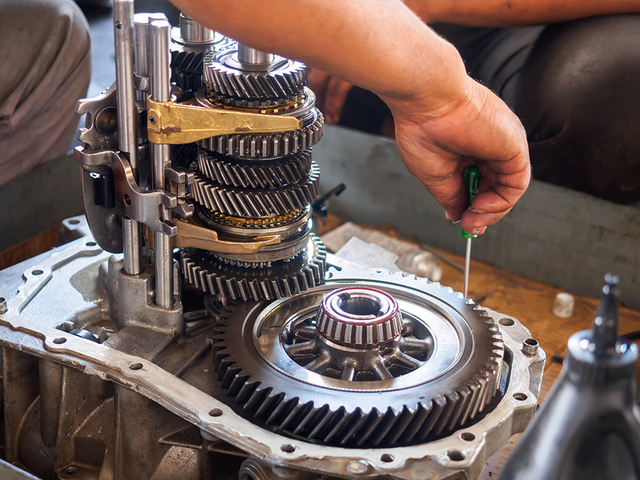
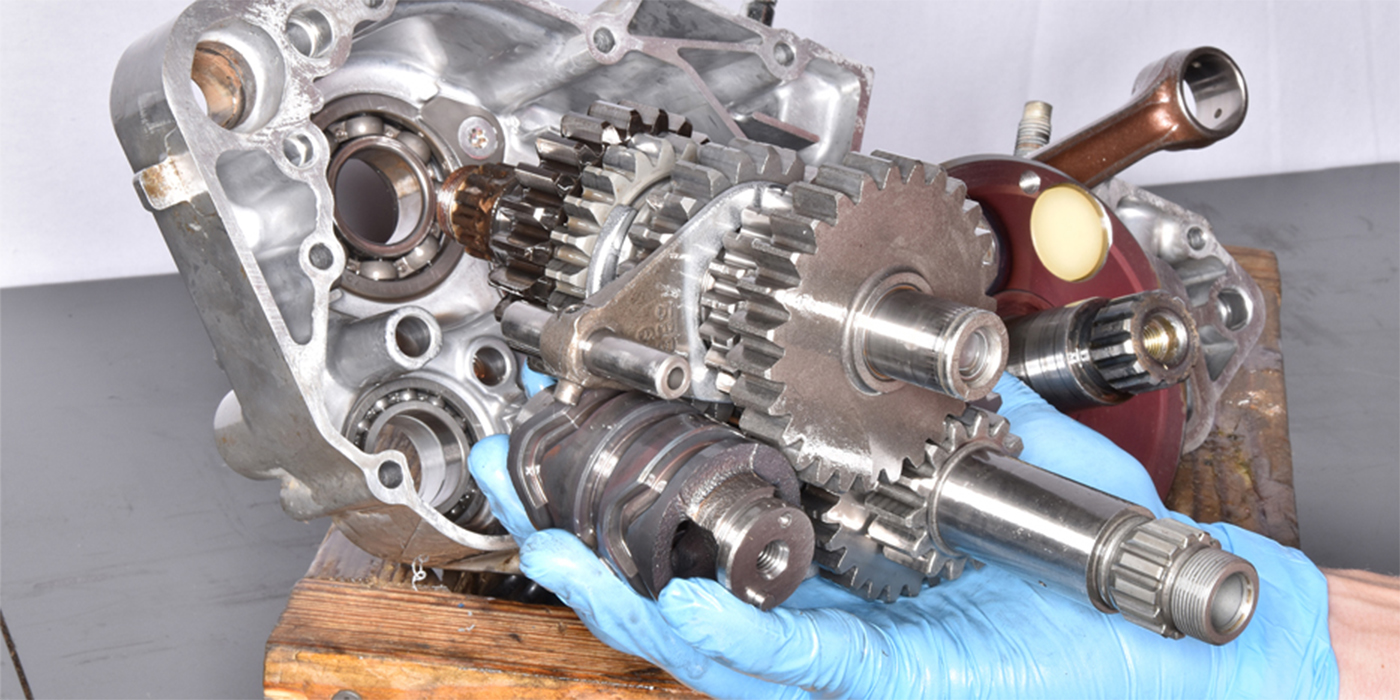
The Importance of Transmission Service: Keeping Your Vehicle Running Smoothly
Your vehicle’s transmission is one of its most critical components, responsible for transferring power from the engine to the wheels and ensuring smooth gear shifts. Without proper maintenance, even the most advanced transmission can wear out prematurely, leading to costly repairs and unexpected breakdowns. Regular transmission service is not just a recommendation—it’s a necessity for extending the lifespan of your vehicle and maintaining optimal performance. Whether you drive an automatic, manual, or continuously variable transmission (CVT) vehicle, understanding the signs of transmission trouble and adhering to a service schedule can save you time, money, and stress in the long run.
Many drivers underestimate the importance of transmission maintenance, often waiting until they experience noticeable issues like slipping gears, delayed shifting, or strange noises before seeking help. By then, the damage may already be significant, requiring extensive—and expensive—repairs. Proactive transmission service involves fluid changes, filter replacements, and thorough inspections to catch potential problems early. This guide will explore the benefits of transmission service, common signs of transmission issues, and practical tips to keep your vehicle’s transmission in top condition.
Why Transmission Service Matters
Transmission fluid serves as the lifeblood of your vehicle’s transmission system. It lubricates moving parts, cools the transmission, and helps transfer power efficiently. Over time, transmission fluid breaks down, becoming contaminated with debris, metal shavings, and heat degradation. This contaminated fluid loses its ability to protect the transmission, leading to increased friction, overheating, and accelerated wear. Regular transmission service ensures that the fluid is clean and at the proper level, preventing premature failure and maintaining smooth operation.
Beyond fluid maintenance, transmission service includes inspecting and replacing filters, checking for leaks, and examining seals and gaskets for wear. These steps are crucial because even a small leak can lead to fluid loss, causing the transmission to operate under stress. Additionally, modern vehicles with advanced transmission systems—such as dual-clutch or hybrid transmissions—require specialized service techniques to ensure compatibility and performance. Neglecting these maintenance tasks can void warranties and result in expensive repairs that could have been avoided with routine care.
Another often-overlooked aspect of transmission service is its impact on fuel efficiency. A well-maintained transmission operates more efficiently, reducing the strain on the engine and improving overall fuel economy. Conversely, a failing transmission forces the engine to work harder, consuming more fuel and increasing emissions. By investing in regular transmission service, you not only protect your vehicle but also contribute to a more sustainable driving experience.
Signs Your Transmission Needs Service
Your vehicle often communicates when something isn’t right, and the transmission is no exception. Recognizing the early warning signs of transmission trouble can help you address issues before they escalate into major problems. Below are some of the most common indicators that your transmission may need service or repair:
- Delayed or Rough Shifting: If your vehicle hesitates before shifting gears or shifts roughly, it could signal low or contaminated transmission fluid. This is particularly noticeable in automatic transmissions but can also affect manual transmissions.
- Slipping Gears: A transmission that slips between gears or fails to stay in gear is a serious issue. You may notice the engine revving without an increase in speed or the vehicle unexpectedly jerking when accelerating.
- Unusual Noises: Grinding, whining, or clunking sounds during gear changes are red flags. These noises often indicate worn components, such as bearings or gears, or a lack of proper lubrication.
- Burning Smell: A burnt odor coming from under the hood is a sign of overheating transmission fluid. This usually occurs when the fluid is old, low, or contaminated and can lead to severe transmission damage if ignored.
- Leaking Fluid: Transmission fluid is typically red or light brown and has a slightly sweet smell. If you notice puddles of this fluid under your vehicle, it’s a clear sign of a leak that requires immediate attention.
- Warning Lights: Modern vehicles equipped with onboard diagnostics may display a “Check Engine” light or a specific transmission warning. These alerts should never be ignored, as they often indicate a problem that requires professional diagnosis.
If you experience any of these symptoms, it’s essential to schedule a transmission service as soon as possible. While some issues may seem minor, they can quickly escalate into major repairs if left unaddressed. A professional mechanic can perform a thorough inspection to determine the root cause of the problem and recommend the appropriate course of action.
Common Transmission Problems and Their Causes
Understanding the underlying causes of transmission issues can help you take preventive measures and recognize when service is needed. Below are some of the most common transmission problems and their typical causes:
- Low or Contaminated Fluid: Over time, transmission fluid degrades and becomes less effective at lubricating and cooling the system. Low fluid levels, often caused by leaks, can lead to overheating and wear.
- Worn Clutches (Manual Transmissions): In manual transmissions, clutches wear out over time due to friction. A slipping clutch or difficulty shifting can indicate that the clutch needs replacement.
- Faulty Solenoids (Automatic Transmissions): Solenoids control the flow of transmission fluid and are essential for smooth gear shifts. A malfunctioning solenoid can cause shifting problems or transmission failure.
- Damaged Torque Converters: The torque converter is a critical component in automatic transmissions, acting as a fluid coupling between the engine and transmission. A failing torque converter can cause slipping, shuddering, or complete transmission failure.
- Worn Gears or Bearings: High mileage or poor maintenance can cause gears or bearings to wear out, leading to grinding noises, rough shifting, or complete transmission failure.
- Electronic Control Issues: Modern transmissions rely on electronic sensors and control modules to manage gear shifts. A fault in these components can cause erratic shifting or transmission failure.
Many of these issues can be prevented or mitigated with regular transmission service. For example, changing the fluid and filter at the manufacturer-recommended intervals can significantly extend the life of your transmission. Additionally, addressing minor leaks or noises early can prevent more severe damage down the line. If you’re unsure about the condition of your transmission, a professional inspection can provide peace of mind and help you avoid costly surprises.
The Transmission Service Process: What to Expect
When you take your vehicle in for transmission service, the process typically involves several key steps to ensure the transmission is thoroughly inspected and maintained. While the exact procedures may vary depending on the type of transmission and the service center’s protocols, here’s what you can generally expect:
Step 1: Initial Inspection and Diagnosis
The service process begins with a diagnostic inspection to assess the condition of your transmission. A professional mechanic will:
- Check the transmission fluid level and condition, looking for signs of contamination, low fluid, or burnt odor.
- Inspect for leaks under the vehicle, focusing on the transmission pan, cooler lines, and seals.
- Perform a road test to evaluate shifting performance, listen for unusual noises, and check for slipping or hesitation.
- Scan the vehicle’s onboard computer for any stored trouble codes that may indicate transmission-related issues.
This initial assessment helps the mechanic determine whether a simple fluid and filter change is sufficient or if additional repairs are needed. If the transmission is in good condition, the service will proceed with fluid replacement and filter cleaning or replacement. However, if significant issues are detected, the mechanic will provide a detailed report outlining the necessary repairs and associated costs.
Step 2: Draining Old Fluid and Filter Replacement
The next step is to drain the old transmission fluid and replace the filter. Here’s how the process typically works:
- Draining the Fluid: The mechanic will locate the transmission fluid pan, remove the drain plug, and allow the old fluid to drain completely. In some cases, the entire pan may be removed to access the filter and inspect the pan for debris or metal shavings.
- Cleaning the Pan: The transmission pan is cleaned to remove any sludge or contaminants that could affect the new fluid or filter.
- Replacing the Filter: The transmission filter is replaced to ensure that fresh fluid flows through a clean filter, preventing debris from circulating through the system. In some vehicles, the filter may be integrated into the pan and requires replacement along with the pan gasket.
- Reinstalling the Pan: The pan is reinstalled with a new gasket to prevent leaks, and the drain plug is tightened to the manufacturer’s specifications.
For vehicles with sealed transmissions or CVTs, the fluid change process may involve specialized equipment to extract and replace the old fluid thoroughly. Some modern vehicles also require a transmission flush, which uses a machine to force out old fluid and replace it with new fluid under pressure. This method is more thorough than a traditional drain-and-fill but may not be suitable for all transmission types.
Step 3: Refilling with Fresh Transmission Fluid
After draining the old fluid and replacing the filter, the transmission is refilled with fresh fluid. The type of fluid used depends on the vehicle’s make, model, and transmission type. Common fluid types include:
- Dexron/Mercon: A widely used automatic transmission fluid (ATF) compatible with many General Motors and Ford vehicles.
- ATF+4: A synthetic blend used in Chrysler, Dodge, and Jeep vehicles with automatic transmissions.
- CVT Fluid: Specifically formulated for continuously variable transmissions, such as those found in Nissan, Honda, and Subaru vehicles.
- Manual Transmission Fluid: Different from automatic transmission fluid, this type is designed for manual transmissions and may include gear oils or specialized additives.
The mechanic will add the appropriate fluid type and quantity, ensuring it meets the manufacturer’s specifications. In some cases, a transmission additive may be recommended to improve performance or address minor issues like rough shifting. However, additives should be used cautiously, as they are not a substitute for proper maintenance and can sometimes cause more harm than good if misapplied.
Step 4: Testing and Final Inspection
Once the fluid is replaced, the mechanic will perform a final test to ensure the transmission is functioning correctly. This typically includes:
- Road Test: A test drive to verify that shifting is smooth, there are no unusual noises, and the transmission responds correctly to acceleration and deceleration.
- Leak Check: A visual inspection to confirm there are no fresh leaks from the transmission pan, cooler lines, or seals.
- Fluid Level Verification: Ensuring the transmission fluid is at the correct level and free of air bubbles or contaminants.
- System Reset: In some cases, the vehicle’s computer may need to be reset to clear any temporary fault codes or adapt to the new fluid.
If everything checks out, the vehicle is ready for return, and the mechanic will provide you with a service report detailing the work performed. If any issues are detected during testing, additional repairs may be recommended, and you’ll be informed of the next steps before proceeding.
DIY vs. Professional Transmission Service: Making the Right Choice
When it comes to transmission service, vehicle owners often wonder whether they can perform the maintenance themselves or if they should rely on a professional mechanic. The answer depends on several factors, including your mechanical skills, the type of transmission, and the complexity of the service. Below, we’ll explore the pros and cons of DIY transmission service versus professional service to help you make an informed decision.
Pros and Cons of DIY Transmission Service
Performing transmission service yourself can be a cost-effective option, especially if you’re comfortable with basic car maintenance. Some of the advantages of DIY service include:
- Cost Savings: Shop labor rates can be high, and doing the work yourself eliminates these costs. The only expenses are the parts (fluid, filter, gasket) and any tools you may need to purchase.
- Convenience: You can perform the service at your own pace and schedule, without having to wait for an appointment at a repair shop.
- Learning Experience: For car enthusiasts, DIY service provides an opportunity to learn more about your vehicle’s inner workings and build mechanical skills.
However, DIY transmission service also comes with several challenges and risks:
- Complexity: Transmission service can be more complicated than an oil change, especially for vehicles with sealed transmissions or CVTs. Accessing the transmission pan or filter may require removing other components, such as the exhaust system or driveshaft.
- Specialized Tools: Some vehicles require special tools, such as a transmission fluid pump or scan tool, to complete the service properly. Without these tools, you may struggle to perform the job correctly.
- Risk of Mistakes: A small error, such as over-tightening a bolt or using the wrong fluid type, can cause significant damage to the transmission. Even experienced DIYers can make costly mistakes.
- Warranty Concerns: If your vehicle is still under warranty, performing DIY service may void the warranty. Always check your warranty terms before attempting any repairs yourself.
For simple fluid and filter changes in easily accessible transmissions, DIY service can be a viable option. However, for vehicles with sealed transmissions, CVTs, or advanced electronic systems, professional service is highly recommended to ensure the job is done correctly and safely.
When to Choose Professional Transmission Service
While DIY transmission service may seem appealing, there are several scenarios where professional service is the better choice:
- Sealed or Complex Transmissions: Modern vehicles, especially those with CVTs, dual-clutch transmissions, or hybrid systems, often have sealed transmissions that require specialized equipment for fluid changes. Professional mechanics have the tools and expertise to service these systems properly.
- Persistent Transmission Issues: If your vehicle is experiencing ongoing transmission problems, such as slipping, rough shifting, or warning lights, a professional diagnosis is essential. Mechanics have access to advanced diagnostic tools and can identify the root cause of the issue.
- High-Mileage Vehicles: Older vehicles or those with high mileage may have accumulated significant wear and tear. A professional mechanic can perform a comprehensive inspection and recommend additional services, such as a transmission flush or seal replacement, to prevent failure.
- Warranty Protection: If your vehicle is under warranty, professional service ensures that the work is documented correctly and meets manufacturer standards, protecting your warranty coverage.
- Lack of Mechanical Experience: If you’re not comfortable working on your vehicle or lack the necessary tools, professional service is the safest option. Attempting DIY repairs without the right knowledge can lead to further damage and higher repair costs.
Professional transmission service also offers added benefits, such as warranties on the work performed, access to high-quality parts, and the peace of mind that comes with knowing the job was done right. While the cost may be higher than a DIY approach, the long-term savings from preventing transmission failure often outweigh the initial expense.
Ultimately, the decision between DIY and professional transmission service depends on your comfort level, the complexity of your vehicle’s transmission, and your long-term goals. If you’re unsure, consulting with a trusted mechanic can help you determine the best course of action for your specific situation.
Transmission Maintenance Tips for Long-Term Reliability
Preventive maintenance is the key to extending the life of your vehicle’s transmission and avoiding costly repairs. By following a few simple but effective tips, you can keep your transmission running smoothly for years to come. Whether you’re a seasoned driver or new to vehicle maintenance, these strategies will help you stay proactive and protect your investment.
Follow the Manufacturer’s Maintenance Schedule
The most important step in transmission maintenance is adhering to the service intervals recommended by your vehicle’s manufacturer. These schedules are designed based on extensive testing and real-world driving conditions to ensure optimal performance and longevity. Key maintenance tasks typically include:
- Regular Fluid Changes: Most manufacturers recommend changing transmission fluid every 30,000 to 60,000 miles, depending on the vehicle and driving conditions. Severe driving conditions, such as towing, frequent stop-and-go traffic, or extreme temperatures, may require more frequent service.
- Filter Replacement: The transmission filter should be replaced whenever the fluid is changed to prevent contaminants from circulating through the system.
- Inspections for Leaks: Periodically check for transmission fluid leaks under your vehicle. Early detection of leaks can prevent low fluid levels and subsequent damage.
- Cooler Maintenance: The transmission cooler helps regulate fluid temperature and prevent overheating. Ensure the cooler and associated lines are in good condition and free of obstructions.
Always refer to your owner’s manual for the specific maintenance schedule for your vehicle. If you’ve lost your manual, many manufacturers provide digital copies on their websites or through dealerships. Keeping up with these intervals is the simplest and most effective way to prevent transmission failure.
Use the Correct Transmission Fluid
Not all transmission fluids are created equal, and using the wrong type can cause serious damage to your transmission. Always use the fluid recommended by your vehicle’s manufacturer to ensure compatibility and performance. Common fluid types include:
- Type F: A high-friction fluid used in older Ford and Chrysler vehicles.
- Dexron III/Mercon: A widely used automatic transmission fluid compatible with many General Motors and Ford vehicles.
- ATF+4: A synthetic blend used in Chrysler, Dodge, and Jeep vehicles with automatic transmissions.
- CVT Fluid: Specifically formulated for continuously variable transmissions, such as those found in Nissan, Honda, and Subaru vehicles.
- Manual Transmission Fluid: Different from automatic transmission fluid, this type is designed for manual transmissions and may include gear oils or specialized additives.
Using the wrong fluid can lead to poor shifting, overheating, or even transmission failure. If you’re unsure which fluid to use, consult your owner’s manual or ask a professional mechanic for guidance. Additionally, always purchase high-quality fluids from reputable brands to ensure optimal protection and performance.
Drive with Transmission Health in Mind
Your driving habits play a significant role in the longevity of your transmission. Simple adjustments to how you drive can reduce stress on the transmission and extend its lifespan:
- Avoid Overloading: Towing heavy loads or carrying excess weight puts additional strain on the transmission. Follow your vehicle’s towing capacity guidelines and avoid overloading.
- Don’t Ride the Clutch (Manual Transmissions): Resting your foot on the clutch pedal or “riding” the clutch generates excess heat and wear. Fully depress the clutch pedal when shifting and release it completely when driving.
- Use the Correct Gear: In manual transmissions, always use the appropriate gear for your speed and driving conditions. For example, avoid driving in first gear at highway speeds, as this can cause unnecessary strain.
- Allow the Transmission to Warm Up: In cold weather, allow your vehicle to idle for a minute or two before driving. This gives the transmission fluid time to circulate and warm up, reducing wear during the first few minutes of driving.
- Shift Gently: Avoid aggressive shifting, especially in automatic transmissions. Smooth, gradual acceleration and deceleration reduce stress on the transmission components.
- Regularly Check Fluid Levels: Even if you’re not due for a fluid change, periodically check your transmission fluid level and condition. Low fluid levels or dirty fluid are early warning signs that service is needed.
By adopting these driving habits, you can significantly reduce the wear and tear on your transmission and enjoy a smoother, more reliable driving experience.
Address Issues Promptly
Ignoring early signs of transmission trouble is one of the fastest ways to end up with a costly repair—or even a complete transmission replacement. If you notice any of the following symptoms, address them immediately:
- Strange Noises: Grinding, whining, or clunking sounds during gear changes indicate worn components or low fluid levels.
- Delayed or Rough Shifting: Hesitation or jerking when shifting gears is often a sign of low or contaminated fluid.
- Slipping Gears: If your vehicle unexpectedly slips out of gear or the engine revs without acceleration, it’s a serious issue that requires immediate attention.
- Burning Smell: A burnt odor coming from the transmission is a sign of overheating fluid, which can cause severe damage if not addressed.
- Fluid Leaks: Puddles of red or light brown fluid under your vehicle indicate a leak that needs to be repaired as soon as possible.
Addressing these issues early can often prevent more severe damage and save you thousands of dollars in repair costs. If you’re unsure about the severity of a problem, consult a professional mechanic for a diagnostic inspection. It’s always better to err on the side of caution when it comes to your vehicle’s transmission.
Choosing the Right Transmission Service Provider
When it’s time for transmission service, selecting the right service provider is crucial to ensuring quality work and protecting your vehicle. Not all repair shops or dealerships offer the same level of expertise, so it’s important to do your research and choose a provider that meets your needs. Below are some key factors to consider when selecting a transmission service provider.
Types of Transmission Service Providers
There are several types of service providers to choose from, each with its own advantages and disadvantages:
- Dealership Service Centers: Dealerships employ factory-trained technicians who specialize in your vehicle’s make and model. This can be advantageous for warranty-covered repairs or vehicles with complex transmission systems. However, dealership services are often more expensive than independent shops.
- Independent Auto Repair Shops: Independent shops often provide more affordable rates and personalized service. Look for shops that specialize in transmission repair or have experience working on your vehicle’s make and model. Many independent shops also offer warranties on their work.
- Specialty Transmission Repair Shops: These shops focus exclusively on transmission repair and service, making them experts in the field. They often have advanced diagnostic equipment and access to high-quality parts. However, their services may be more expensive than general repair shops.
- Quick Lube and Oil Change Shops: Some quick lube chains offer basic transmission services, such as fluid changes. While these services may be convenient and affordable, they often lack the expertise to diagnose or repair more complex transmission issues. It’s best to use these services only for routine maintenance.
Your choice of provider will depend on your budget, the complexity of your transmission, and your trust in the shop’s expertise. For routine maintenance, an independent shop or quick lube service may suffice. However, for complex repairs or warranty-covered work, a dealership or specialty shop is often the better choice.
What to Look for in a Transmission Service Provider
When evaluating a transmission service provider, consider the following factors to ensure you’re making the right choice:
- Certifications and Training: Look for shops that employ ASE-certified technicians or have received specialized training in transmission repair. Certifications indicate a commitment to professionalism and ongoing education.
- Experience with Your Vehicle: Ask whether the shop has experience working on your vehicle’s make and model. Some transmissions, such as CVTs or dual-clutch systems, require specialized knowledge.
- Warranty and Guarantees: A reputable shop will stand behind its work with a warranty on parts and labor. Ask about the warranty terms and what they cover before authorizing any repairs.
- Customer Reviews and Reputation: Check online reviews, testimonials, and ratings on platforms like Google, Yelp, or the Better Business Bureau. A shop with consistently positive reviews is more likely to provide quality service.
- Transparency and Communication: A good service provider will take the time to explain the work needed, provide a detailed estimate, and answer any questions you have. Avoid shops that pressure you into unnecessary repairs or use vague language.
- Quality of Parts: Ask about the brands of parts and fluids they use. High-quality parts and fluids may cost more upfront but can save you money in the long run by preventing premature failure.
- Turnaround Time: If you rely on your vehicle for daily transportation, ask about the estimated turnaround time for the service. Some shops offer loaner vehicles or shuttle services to accommodate busy schedules.
Don’t hesitate to visit the shop in person to get a feel for their professionalism and cleanliness. A well-organized, tidy shop with friendly staff is often a good indicator of quality service.
Questions to Ask Your Transmission Service Provider
Before authorizing any transmission service, ask the following questions to ensure you’re making an informed decision:
- What type of transmission fluid do you recommend for my vehicle? Ensure they use the correct fluid specified by the manufacturer.
- Do you perform a full diagnostic inspection before service? A thorough inspection can identify underlying issues that may need attention.
- What is the warranty on the service or parts? Understand what is covered and for how long.
- Are you experienced with my vehicle’s transmission type? Some transmissions, like CVTs or hybrid systems, require specialized knowledge.
- What is the estimated cost of the service? Get a detailed estimate in writing, including labor, parts, and any additional fees.
- Do you offer any warranties or guarantees on your work? A reputable shop will stand behind its work with a satisfaction guarantee.
- How long will the service take? Ask for an estimated completion time so you can plan accordingly.
- Is there a diagnostic fee if I decide not to proceed with repairs? Some shops charge a fee for diagnostics, even if you choose not to have the work done.
Asking these questions will help you avoid surprises and ensure that you’re working with a trustworthy and competent service provider. If a shop is unwilling to answer your questions or provides vague responses, it’s a red flag that you should look elsewhere.
Cost of Transmission Service: What to Expect
The cost of transmission service can vary widely depending on several factors, including the type of service, your vehicle’s make and model, and the service provider you choose. Understanding these costs upfront can help you budget for maintenance and avoid sticker shock. Below, we’ll break down the typical costs associated with transmission service and what influences them.
Factors Affecting Transmission Service Costs
Several factors can impact the total cost of transmission service, including:
- Type of Service: A basic fluid and filter change is less expensive than a transmission flush or a full rebuild. The scope of the service will directly affect the cost.
- Vehicle Make and Model: Luxury vehicles, trucks, and high-performance cars often require specialized fluids and parts, which can increase the cost of service. Additionally, some vehicles have transmissions that are more complex to service.
- Transmission Type: Automatic transmissions, manual transmissions, CVTs, and dual-clutch transmissions each have unique service requirements. CVTs and dual-clutch transmissions often require more expensive fluids and specialized equipment, leading to higher service costs.
- Labor Rates: Labor costs vary by location and service provider. Dealerships and specialty shops typically charge higher labor rates than independent repair shops. Urban areas may also have higher labor costs than rural areas.
- Parts Quality: The cost of transmission fluid, filters, and gaskets can vary depending on the brand. High-quality synthetic fluids and OEM (original equipment manufacturer) parts are more expensive but offer better protection and longevity.
- Diagnostic Fees: If your vehicle requires a diagnostic inspection to identify transmission issues, some shops may charge a separate fee for this service, even if you decide not to proceed with repairs.
- Additional Repairs: If the inspection reveals additional issues, such as worn seals, leaking components, or damaged solenoids, the cost of service will increase to cover these repairs.
Understanding these factors can help you anticipate the costs associated with transmission service and make informed decisions about where to have the work done.
Average Costs for Transmission Service
While prices can vary, here are some general estimates for common transmission services in the United States as of 2024:
- Transmission Fluid Change: $80–$200
- Includes draining old fluid, replacing the filter, and refilling with new fluid.
- Cost varies based on fluid type and labor rates.
- Transmission Fluid and Filter Replacement: $150–$300
- Includes a full fluid drain, filter replacement, and refill with fresh fluid.
- May also include cleaning the transmission pan and inspecting for leaks.
- Transmission Flush: $150–$400
- Uses specialized equipment to force out old fluid and replace it with new fluid under pressure.
- More thorough than a drain-and-fill but not suitable for all transmission types.
- Manual Transmission Fluid Change: $100–$250
- Includes draining old fluid and refilling with new gear oil.
- Cost depends on the type of gear oil and labor rates.
- CVT Fluid Change: $200–$500
- CVT transmissions require specialized fluid and often more labor due to their complexity.
- Some CVTs require frequent fluid changes, so costs can add up over time.
- Transmission Filter and Gasket Replacement: $200–$500
- Involves removing the transmission pan, replacing the filter and gasket, and reinstalling the pan.
- Labor-intensive and may require additional labor if the pan is difficult to access.
- Transmission Rebuild or Replacement: $1,500–$4,000+
- Typically required for severely damaged or high-mileage transmissions.
- Costs vary widely depending on the extent of the rebuild or whether a replacement transmission is installed.
- Some rebuilds may include a warranty, while replacement transmissions can be more expensive but offer longer-term reliability.
These estimates are for labor and parts only and do not include taxes, shop fees, or additional repairs. Always request a detailed written estimate from your service provider before authorizing any work.
Ways to Save on Transmission Service
While transmission service is an essential expense, there are several ways to save money without compromising quality:
- Shop Around: Get quotes from multiple service providers to compare prices. Independent shops and dealerships may offer different rates for the same service.
- Use Coupons or Promotions: Many repair shops and chains offer discounts, coupons, or loyalty programs for routine maintenance. Check local dealerships, quick lube chains, and independent shops for promotions.
- Buy Your Own Parts: In some cases, you can purchase the transmission fluid, filter, or gasket yourself and bring it to the shop for installation. This can save money, especially if you buy in bulk or use high-quality aftermarket parts.
- Perform Basic Maintenance Yourself: If you’re comfortable with basic car maintenance, you can save money by performing simple tasks like checking fluid levels or topping off fluid between professional services.
- Follow the Recommended Schedule: Staying on top of routine maintenance prevents more costly repairs down the line. Regular fluid changes are far less expensive than rebuilding or replacing a transmission.
- Ask About Multipoint Inspections: Some shops offer free or discounted multipoint inspections that include a transmission check. This can help you identify issues early and avoid expensive surprises.
- Consider a Maintenance Plan: Some dealerships and repair chains offer prepaid maintenance plans that cover routine services like fluid changes at a discounted rate. These plans can save you money in the long run if you plan to keep your vehicle for several years.
By being proactive and exploring cost-saving options, you can keep your transmission in top condition without breaking the bank. Remember that the cheapest option isn’t always the best—prioritize quality and expertise to ensure your transmission remains reliable for years to come.
Final Thoughts: Prioritizing Transmission Health for a Smoother Ride
Your vehicle’s transmission is a marvel of engineering, transferring power from the engine to the wheels while ensuring smooth and efficient performance. However, like any complex system, it requires regular care and attention to function at its best. By understanding the importance of transmission service, recognizing early warning signs, and adhering to a proactive maintenance schedule, you can extend the life of your transmission and avoid costly repairs.
Whether you choose to perform basic maintenance yourself or rely on a professional service provider, the key is consistency. Regular fluid changes, filter replacements, and inspections are small investments that yield significant returns in terms of reliability, performance, and longevity. Don’t wait until you hear strange noises or experience shifting issues to take action—by then, the damage may already be done.
Remember, a well-maintained transmission not only keeps your vehicle running smoothly but also contributes to better fuel efficiency, reduced emissions, and a more enjoyable driving experience. Take the time to care for your transmission today, and it will reward you with years of trouble-free service.
If you’re unsure about the condition of your transmission or need guidance on the best maintenance plan for your vehicle, don’t hesitate to consult a trusted mechanic or dealership. They can provide personalized advice and help you make informed decisions about your vehicle’s care. With the right approach, your transmission can remain a reliable and efficient component of your vehicle for many miles to come.