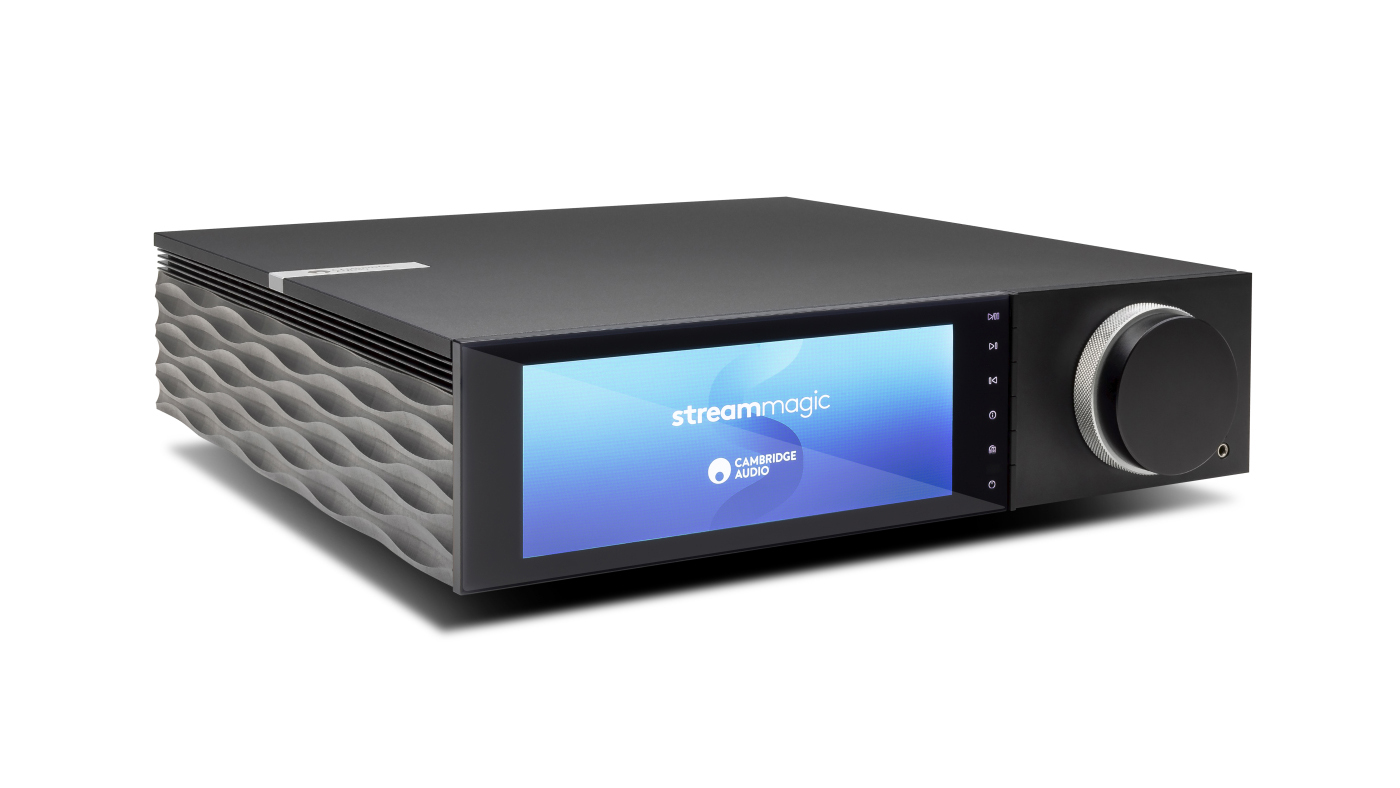
The Symphony of Sound: A Deep Dive into the World of Audio Systems
Sound is a fundamental part of human experience, shaping emotions, memories, and even our perception of space. From the earliest echoes in caves to the immersive audio of modern concert halls, the journey of sound has been one of constant evolution. Today, audio systems stand at the intersection of art and technology, offering listeners an experience that can transport them across continents or deep into the heart of a song. Whether you are an audiophile seeking crystal-clear fidelity, a gamer looking for heart-pounding surround sound, or a professional sound engineer crafting the perfect mix, understanding the nuances of audio systems is essential. This article explores the fascinating world of audio systems, breaking down their history, components, and the science behind the magic.
Introduction & Background
Audio systems have transformed the way we experience sound, evolving from simple acoustic devices to complex electronic setups that deliver unparalleled clarity and depth. The roots of modern audio systems can be traced back to the late 19th century with the invention of the phonograph by Thomas Edison. This groundbreaking device allowed sound to be recorded and played back, marking the beginning of a new era in audio technology. Over the decades, advancements in electronics, materials science, and digital processing have led to the development of sophisticated audio systems that cater to diverse needs. Today, audio systems are integral to entertainment, communication, and even healthcare, with applications ranging from home theaters to professional studio setups. The significance of audio systems lies not only in their technical capabilities but also in their ability to evoke emotions, enhance storytelling, and create immersive environments.
Concept & Overview
At its core, an audio system is a collection of components designed to capture, process, amplify, and reproduce sound. The primary goal of any audio system is to faithfully reproduce sound as intended by the source, whether it is music, speech, or ambient noise. The key principles that govern audio systems include frequency response, dynamic range, signal-to-noise ratio, and spatial imaging. Frequency response refers to the range of frequencies a system can reproduce, typically measured in Hertz (Hz). Dynamic range measures the difference between the quietest and loudest sounds a system can handle, while signal-to-noise ratio compares the level of the desired signal to the level of background noise. Spatial imaging, on the other hand, refers to the system’s ability to create a realistic sense of space and directionality, making the listener feel as if they are immersed in the sound.
Audio systems can be broadly categorized into several types based on their purpose and complexity. Home audio systems are designed for personal or family enjoyment and often include components like speakers, amplifiers, and media players. Professional audio systems, such as those used in recording studios or live concerts, prioritize accuracy and flexibility, with features like multitrack recording and real-time signal processing. Portable audio systems, including headphones and Bluetooth speakers, focus on convenience and mobility, often sacrificing some fidelity for portability. Automotive audio systems integrate seamlessly into vehicles, delivering high-quality sound while accounting for the unique acoustic challenges of a car interior. Each type of audio system serves a specific purpose but shares the common goal of delivering the best possible listening experience.
Key Features & Highlights
- Frequency Response: The frequency response of an audio system determines the range of sounds it can reproduce. A wider frequency response allows for more accurate reproduction of both low and high frequencies, resulting in richer and more detailed sound. For example, a system with a frequency response of 20Hz to 20kHz can reproduce the full range of human hearing.
- Dynamic Range: Dynamic range refers to the difference between the quietest and loudest sounds a system can handle without distortion. A higher dynamic range ensures that subtle details in music or speech are preserved, while loud passages retain their impact. Professional audio systems often boast dynamic ranges exceeding 100 decibels (dB).
- Signal-to-Noise Ratio: This metric compares the level of the desired audio signal to the level of background noise. A higher signal-to-noise ratio means cleaner sound with less interference. For instance, a ratio of 90dB indicates that the signal is 90 decibels louder than the noise, ensuring a clear and pristine listening experience.
- Spatial Imaging: Spatial imaging is the ability of an audio system to create a three-dimensional soundstage, where instruments and voices appear to come from distinct locations. Technologies like surround sound and binaural recording enhance spatial imaging, making the listening experience more immersive.
- Connectivity Options: Modern audio systems offer a variety of connectivity options, including wired connections like HDMI, USB, and optical cables, as well as wireless options like Bluetooth and Wi-Fi. These options provide flexibility in how users connect their devices and access audio content.
- Power Output: The power output of an audio system, measured in watts (W), determines how loud it can play without distortion. Higher power outputs are essential for large spaces or venues, while smaller systems may suffice for personal use.
- Driver Configuration: The number and type of drivers in a speaker system significantly impact its sound quality. Common driver types include woofers for low frequencies, tweeters for high frequencies, and midrange drivers for vocals and instruments. A well-balanced driver configuration ensures accurate sound reproduction across all frequencies.
- User Interface & Control: The ease of use and control options available in an audio system play a crucial role in its overall appeal. Features like touchscreens, remote controls, voice assistants, and smartphone apps enhance user experience by providing intuitive ways to manage settings and content.
Frequently Asked Questions / Pros & Cons
What are the main differences between analog and digital audio systems?
Analog audio systems use continuous signals to represent sound, while digital audio systems convert sound into discrete binary data. Analog systems are prized for their warmth and natural sound, often preferred by audiophiles. Digital systems, on the other hand, offer greater precision, noise immunity, and the ability to manipulate sound through software. However, digital systems may lack the organic feel of analog, and some purists argue that digital audio can sound sterile or overly precise.
Which audio system is best for home use: soundbars, bookshelf speakers, or floor-standing speakers?
The choice depends on your priorities and space constraints. Soundbars are compact and easy to set up, making them ideal for small rooms or apartments. They often include built-in amplifiers and multiple drivers for enhanced sound. Bookshelf speakers are versatile and can be paired with a separate amplifier or receiver, offering better sound quality and customization. Floor-standing speakers provide the most power and depth, with larger drivers that can fill a room with rich, detailed sound. However, they require more space and are typically more expensive.
What is the importance of room acoustics in audio system performance?
Room acoustics play a critical role in how an audio system performs. Factors like room size, shape, and materials can affect sound reflection, absorption, and diffusion. A room with hard surfaces like tile or glass can create echoes and reverberations, muddying the sound. Soft materials like carpets, curtains, and acoustic panels help absorb excess sound energy, leading to clearer and more balanced audio. Professional acoustic treatment can significantly enhance the performance of an audio system, ensuring that the sound is as intended by the engineer.
How do wireless audio systems compare to wired systems in terms of sound quality?
Wired audio systems generally offer superior sound quality because they transmit signals without compression or interference. Wired connections, such as HDMI or optical cables, provide a direct and stable signal path, resulting in lower latency and higher fidelity. Wireless systems, while convenient, may suffer from signal compression, latency, and interference from other devices. However, modern wireless technologies like Bluetooth aptX and Wi-Fi 6 are narrowing the gap, offering high-quality audio with the added benefit of mobility.
What are the advantages and disadvantages of high-end audio systems?
Advantages:
- Exceptional sound quality with detailed resolution and accurate imaging.
- Durable construction using high-quality materials for longevity.
- Customization options to tailor the sound to personal preferences.
- Enhanced emotional connection to music or audio content due to superior performance.
Disadvantages:
- High cost, often reaching thousands of dollars for premium components.
- Complex setups that may require professional installation or tuning.
- Large physical footprint, which may not be suitable for all spaces.
- Subjective performance that may not appeal to all listeners, depending on personal taste.
Practical Guidance & Solutions
Choosing the right audio system can be overwhelming, but breaking down the process into manageable steps can simplify the decision. Start by identifying your primary use case. Are you looking for a system to enhance movie nights, gaming sessions, or music listening? Each use case has different requirements. For example, a surround sound system with a subwoofer is ideal for movies, while a high-fidelity stereo setup is better suited for music enthusiasts.
Next, consider your budget and space constraints. Set a realistic budget that includes not only the speakers or soundbar but also any additional components like amplifiers, cables, or acoustic treatments. Measure your room to determine the best speaker placement and whether floor-standing speakers or bookshelf speakers are feasible. If space is limited, a soundbar or compact bookshelf speakers may be the better choice.
When selecting components, prioritize quality over quantity. A well-balanced system with fewer high-quality components often outperforms a system with many mediocre parts. Look for reputable brands with a track record of producing reliable and high-performing audio equipment. Additionally, consider the scalability of your system. For example, starting with a pair of bookshelf speakers and a separate amplifier allows you to upgrade individual components over time without replacing the entire system.
Finally, don’t overlook the importance of proper setup and calibration. Even the best audio system will underperform if not set up correctly. Follow the manufacturer’s guidelines for placement and connection, and consider using room correction software or hiring a professional to fine-tune the sound. For wireless systems, ensure a strong and stable connection by minimizing interference from other devices. Regular maintenance, such as cleaning speakers and checking connections, will also extend the lifespan of your audio system.
Conclusion
The world of audio systems is a symphony of technology, art, and science, where every component plays a vital role in shaping the listening experience. From the warm embrace of analog sound to the precision of digital audio, the choices we make in selecting and setting up an audio system can profoundly impact how we perceive and enjoy sound. Whether you are a casual listener or a dedicated audiophile, understanding the principles behind audio systems empowers you to make informed decisions and create a listening environment that resonates with your unique preferences.
As technology continues to evolve, the future of audio systems holds exciting possibilities, from advancements in wireless audio to innovations in spatial sound. Yet, amidst these changes, the core mission remains the same: to deliver sound that captivates, inspires, and connects. By embracing the art and science of audio, we can transform ordinary moments into extraordinary experiences, one note at a time.