Introduction & Background
Headlights are a critical safety feature on any vehicle. Over time, they can become foggy, yellowed, or dull due to exposure to sunlight, road debris, and environmental contaminants. This not only reduces visibility at night but also diminishes the overall appearance of your car. Restoring your headlights is a cost-effective way to improve safety and revive your ride without replacing them entirely. In this guide, we’ll explore the best methods for headlight restoration, the benefits it offers, and how to maintain your headlights for long-lasting clarity.
Concept & Overview
Headlight restoration is the process of removing oxidation and cloudiness from plastic headlight lenses to restore their transparency and brightness. Most modern vehicles use polycarbonate plastic for headlight lenses, which is durable but susceptible to damage from UV rays and pollution. Over time, this damage causes a hazy layer to form on the surface, scattering light and reducing the effectiveness of your headlights. Restoration techniques range from simple at-home solutions to professional treatments, each designed to reverse this wear and tear.
The core principle behind headlight restoration is to smooth out the microscopic imperfections in the lens surface. This is typically achieved through abrasion, using progressively finer polishing compounds to restore clarity. Some methods also include sealing the lens with a protective coating to prevent future damage. Understanding the right approach for your headlights depends on their condition and the level of oxidation present.
Key Features & Highlights
- Cost-Effective. Restoration is far cheaper than replacing headlights, saving you hundreds of dollars while achieving similar results.
- Improved Safety. Clear headlights enhance visibility at night, reducing the risk of accidents caused by poor lighting.
- Enhanced Appearance. Yellowed or foggy headlights make your car look older and neglected, while restored lenses give it a fresher, well-maintained look.
- Longevity. Properly restored headlights, when maintained with a protective sealant, can last for years before needing another treatment.
- Versatility. Restoration methods work on most modern vehicles, from sedans to SUVs, and can be done at home or by professionals.
Frequently Asked Questions / Pros & Cons
What causes headlights to become foggy or yellow?
Foggy or yellow headlights are primarily caused by oxidation from UV exposure. Over time, the sun’s rays break down the protective coating on polycarbonate lenses, allowing moisture and contaminants to penetrate. Road salt, dirt, and insect splatter can also accelerate this process, leading to a dull, cloudy appearance.
Can I restore my headlights at home, or do I need a professional?
Restoring headlights at home is entirely possible with the right tools and products. DIY kits are widely available and can be very effective for mild to moderate oxidation. However, severely damaged headlights may require professional intervention to avoid further damage or uneven results.
How long does a headlight restoration last?
The longevity of a restoration depends on several factors, including the quality of the products used and how well you maintain your headlights. Generally, a well-done restoration can last between six months to two years. Using a UV-protective sealant can extend this period significantly.
What are the pros and cons of DIY headlight restoration?
Pros:
- Affordable and budget-friendly.
- Convenient and can be done at your own pace.
- No need to remove headlights in most cases.
Cons:
- Risk of improper technique leading to damage.
- Results may vary depending on the severity of oxidation.
- Requires patience and attention to detail for best outcomes.
Is headlight restoration safe for all types of headlights?
Most restoration methods are safe for polycarbonate headlights, which are standard in modern vehicles. However, older glass headlights should not be polished or sanded, as this can cause irreparable damage. Always check your vehicle’s headlight material before attempting restoration.
Practical Guidance & Solutions
Now that you understand the basics, here’s a step-by-step guide to restoring your headlights at home.
Step 1: Clean the Headlights. Start by washing the headlights thoroughly with soap and water to remove dirt and grime. Use a microfiber cloth to dry them completely.
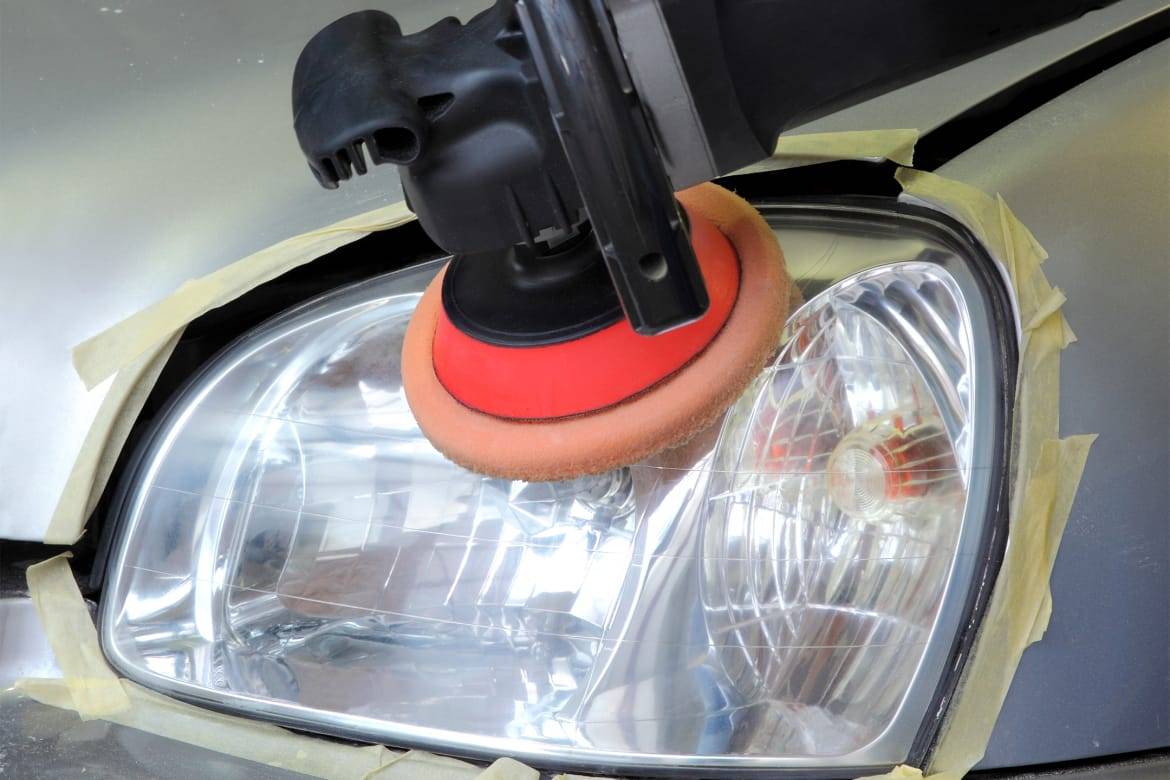
Step 2: Mask the Surrounding Area. Protect the paint and surrounding areas with painter’s tape to avoid accidental scratches or damage from polishing compounds.
Step 3: Sand the Headlights. Use fine-grit sandpaper (around 800 to 2000 grit) to smooth out the surface. Start with the coarsest grit and work your way up to finer grits for a polished finish. Always sand in one direction to avoid uneven results.
Step 4: Apply Polishing Compound. Use a high-quality headlight polishing compound and a polishing pad to restore clarity. Apply the compound in circular motions, working the pad over the entire lens until the surface becomes clear and glossy.
Step 5: Seal the Headlights. After polishing, apply a UV-protective sealant to shield the lenses from future oxidation. This step is crucial for extending the life of your restoration.
Step 6: Final Inspection. Turn on the headlights to check for any remaining cloudiness or uneven spots. If necessary, repeat the polishing process in those areas.
For those who prefer professional help, many auto detailers offer headlight restoration services. Professionals use advanced equipment and high-end products to achieve superior results, often with warranties on their work.
Conclusion
Reviving your ride through headlight restoration is a simple yet impactful way to enhance both the safety and aesthetics of your vehicle. Whether you choose a DIY approach or seek professional help, the benefits of clear, bright headlights are undeniable. By understanding the causes of lens oxidation and following the right restoration techniques, you can enjoy improved visibility and a like-new appearance for your headlights. Don’t let dull headlights dim your driving experience. Take action today and bring back the brilliance of your ride.